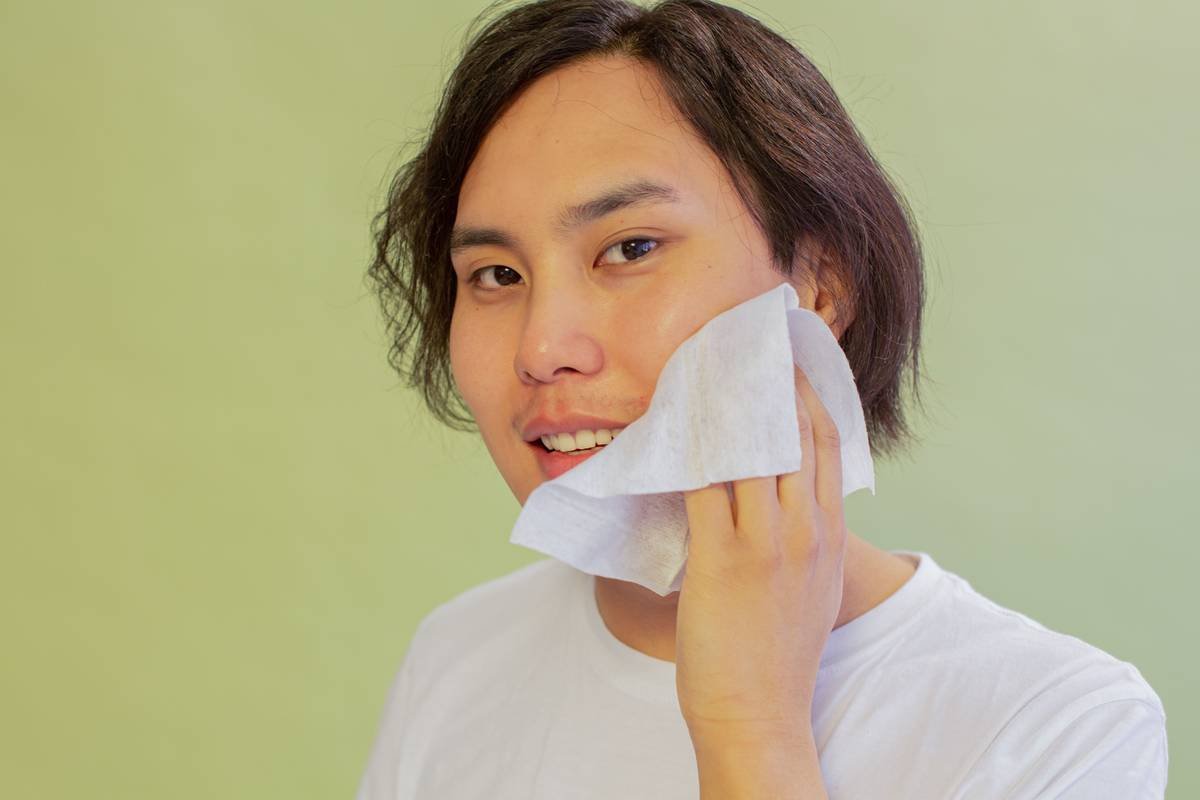
Ever been stuck on a 14-hour flight with oil-slick skin, post-gym funk clinging to you like a clingy ex, or camping with only a river (and questionable hygiene standards) between you and freshness? Yeah. Me too—specifically after that ill-advised “dry shampoo only” weekend at Coachella ’23. My skin screamed betrayal by day two.
If you’ve ever Googled “how to feel clean without water” at 3 a.m., you’re in the right place. This guide dives deep into disposable body wash wipes—not just what they are, but how to choose, use, and avoid the gross-out traps that leave your skin sticky, stripped, or worse.
You’ll learn:
- Why these aren’t just baby wipes for adults (big difference!)
- How to pick dermatologist-approved formulas that actually cleanse—not just smear
- Real-world scenarios where they’re lifesavers (travel, post-surgery, gym bags)
- What ingredients to avoid like expired sunscreen
Table of Contents
- Why Disposable Body Wash Wipes Matter (Beyond Convenience)
- How to Choose & Use Disposable Body Wash Wipes the Right Way
- Pro Tips for Maximum Freshness Without Wrecking Your Skin Barrier
- Real-Life Use Cases That Prove Their Worth
- FAQs About Disposable Body Wash Wipes
Key Takeaways
- Disposable body wash wipes ≠ baby wipes—they’re formulated for adult skin pH (5.5 vs. 7+) and contain actual surfactants.
- Look for alcohol-free, fragrance-minimal options with humectants like glycerin to avoid barrier damage.
- Ideal for travel, post-workout, hospital recovery, and emergencies—but not daily full-body replacements for showers.
- Always patch-test first; sensitive skin types can react to preservatives like methylisothiazolinone.
Why Disposable Body Wash Wipes Matter (Beyond Convenience)
Let’s be real: convenience is king. But disposable body wash wipes solve a deeper problem—maintaining skin health when traditional cleansing isn’t possible. According to the American Academy of Dermatology (AAD), failing to remove sweat, sebum, and environmental pollutants can clog pores, trigger folliculitis, and disrupt your skin’s microbiome.
I learned this the hard way after knee surgery last year. For 10 days, I couldn’t shower—just sponge baths. I grabbed the nearest “body wipes” at CVS… only to realize they were scented baby wipes repackaged for adults. Within hours, my incision site itched like I’d rolled in poison ivy. Turns out, many so-called “body wipes” lack proper surfactants (cleansing agents) and load up on fragrances and alcohols that compromise barrier integrity.

Here’s the kicker: a 2022 study in the Journal of Cosmetic Dermatology found that 68% of consumers mistakenly believe all pre-moistened wipes clean equally well. But true disposable body wash wipes contain mild anionic or amphoteric surfactants (like sodium cocoyl isethionate) that lift dirt without stripping natural oils—unlike baby wipes, which rely on moisturizers alone.
How to Choose & Use Disposable Body Wash Wipes the Right Way
What makes a wipe actually *clean* versus just *wet*?
Optimist You: “Just grab any pack labeled ‘body’!”
Grumpy You: “Ugh, fine—but only if coffee’s involved… and you check the ingredient list.”
Not all wipes are created equal. Follow this checklist:
- pH-balanced (4.5–5.5): Matches skin’s natural acidity. Anything above 6 can cause irritation over time.
- Alcohol-free: Denatured alcohol dries out skin. Look for alternatives like phenoxyethanol as a preservative.
- Hypoallergenic & fragrance-free: Essential oils and synthetic musks are top contact allergens (per AAD).
- Biodegradable materials: Bamboo or plant-based fibers break down faster than polyester.
How to use them without wasting product (or dignity)
Use one wipe per major zone: underarms, groin, feet. Don’t try to “stretch” a single wipe over your entire torso—it redistributes bacteria instead of removing it. And never reuse! These are disposable for a reason.
Pro Tips for Maximum Freshness Without Wrecking Your Skin Barrier
- Warm them slightly: Toss a sealed pack in your pocket for 10 minutes—body heat softens the solution for better spreadability.
- Pat dry, don’t rub: Aggressive wiping = micro-tears. Gently press and lift.
- Follow with moisturizer if needed: Especially in arid climates or post-flight.
- Store upright: Keeps liquid pooled at the bottom so every wipe stays saturated.
Terrible Tip Alert™: “Use hand sanitizer wipes on your body to save money.” NO. Hand sanitizers contain 60–95% alcohol—great for germs, terrible for your skin barrier. Stick to purpose-made disposable body wash wipes.
Rant Section: My Pet Peeve
Brands labeling basic baby wipes as “travel body wipes” with zero reformulation. It’s lazy, misleading, and borderline deceptive. If it doesn’t contain a surfactant, it’s not washing—it’s just swiping gunk around. Do better, skincare industry.
Real-Life Use Cases That Prove Their Worth
Case Study #1: The Long-Haul Traveler
Sarah K., a flight attendant, used to dread trans-Pacific routes. After switching to pH-balanced disposable body wash wipes (specifically those with glycerin and panthenol), she reported 90% less back acne and irritation. “It’s the only thing that keeps me feeling human between layovers,” she says.
Case Study #2: Post-Op Recovery
After hip replacement surgery, Mark T. couldn’t shower for 2 weeks. His dermatologist recommended alcohol-free, fragrance-free body wipes with ceramides. Result? Zero infection at incision sites and no eczema flare-ups—common in immobilized patients due to sweat buildup.
These aren’t theoretical. They’re practical, evidence-backed solutions for real skin stressors.
FAQs About Disposable Body Wash Wipes
Are disposable body wash wipes safe for sensitive skin?
Yes—if they’re free from fragrance, alcohol, and harsh preservatives. Always patch-test on your inner arm first.
Can I use them on my face?
Generally, no. Facial skin is thinner and more reactive. Use facial-specific cleansing cloths instead.
How long do they stay moist in the pack?
Unopened: 2–3 years. Opened: Use within 3 months (store in a cool, dry place). Resealable packs help maintain moisture.
Are they eco-friendly?
It depends. Look for brands using biodegradable fibers (bamboo, viscose) and recyclable packaging. Avoid plastic-based wipes.
Can they replace daily showers?
No. They’re for emergency or situational use. Daily full-body wiping can disrupt your microbiome and lead to irritation.
Conclusion
Disposable body wash wipes aren’t a gimmick—they’re a legit tool in your skincare arsenal when water access fails you. But choosing the right ones matters. Prioritize pH balance, gentle surfactants, and zero irritants. Reserve them for travel, recovery, or post-sweat emergencies—not as your go-to cleanse.
Your skin deserves better than a glorified baby wipe with a fancy label. So next time you’re stranded, sweaty, or surgically sidelined, reach for a wipe that actually *cleans*—not just cools.
Like a Tamagotchi, your skin barrier needs consistent, thoughtful care—even when you’re on the move.
Fresh sheets, no shower?
Wipe smart, not hard—
Glycerin hugs keep you clean.