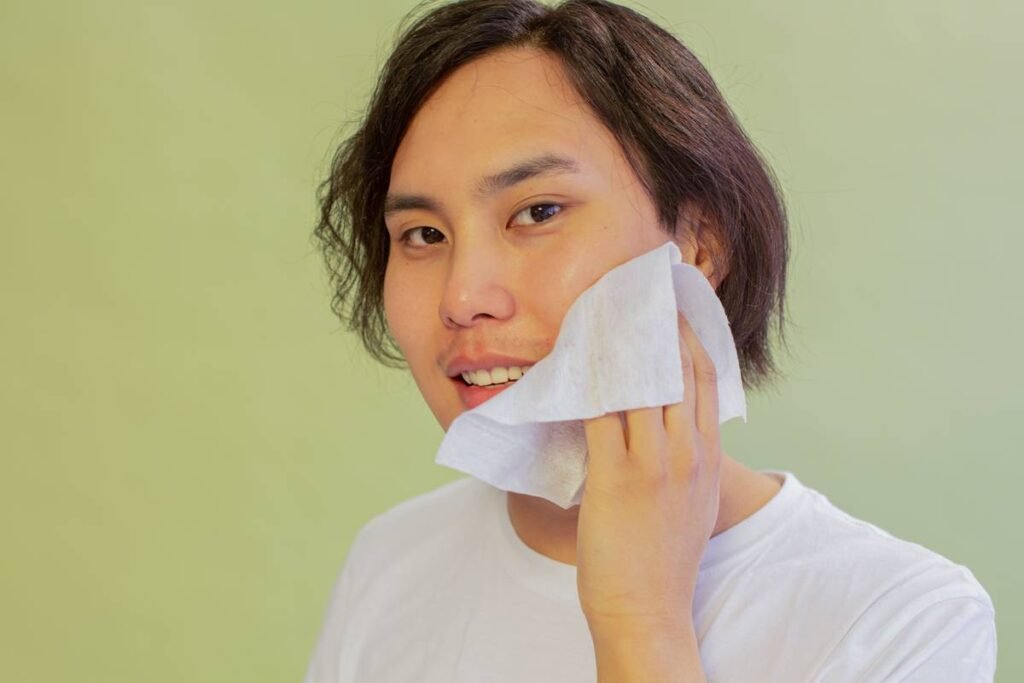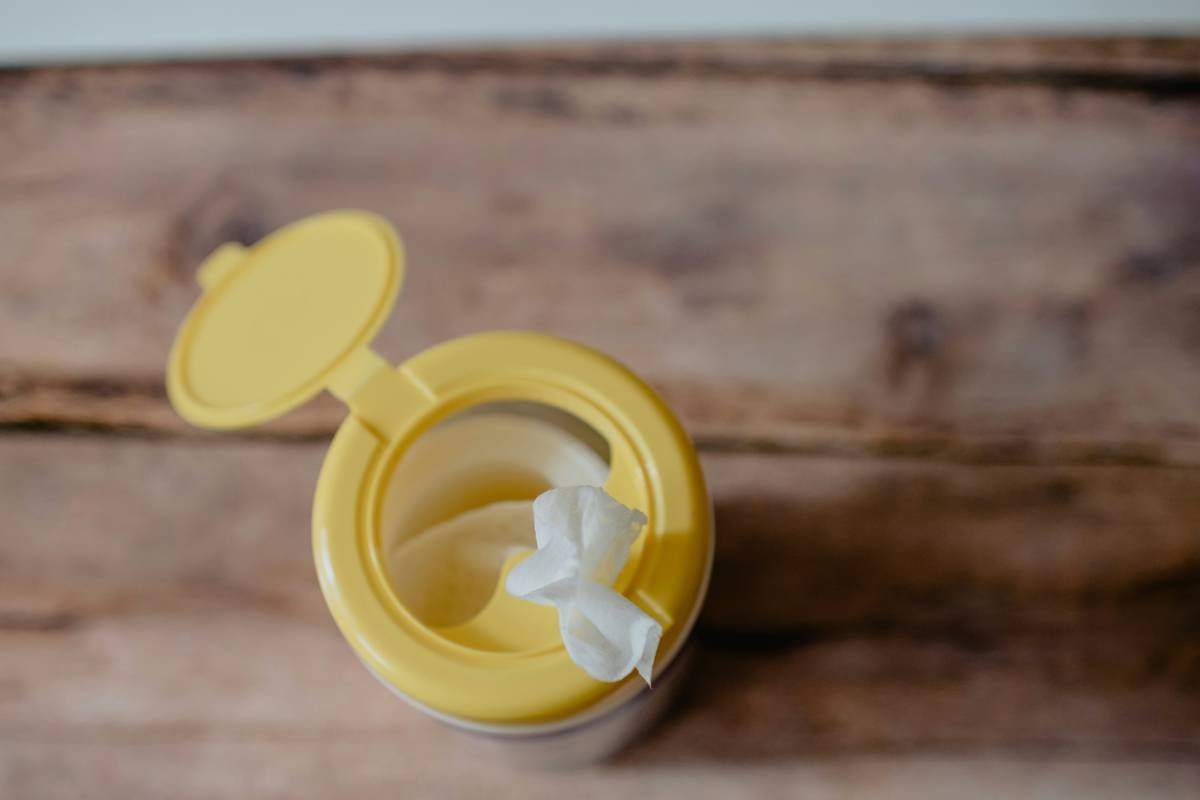
Ever found yourself stuck on a 12-hour flight with zero access to a shower, or camping next to a questionable river thinking, “There’s no way I’m jumping in that”? Or maybe you’ve just had back-to-back Zoom calls and your post-workout funk is threatening mutiny? If so—you’re not alone. And honestly? Disposable body wipes for adults might be the unsung hero your hygiene routine’s been missing.
In this post, we’ll cut through the marketing fluff and dive deep into why these little squares of salvation matter—especially when traditional bathing isn’t an option. You’ll learn who really needs them (spoiler: more people than you think), how to choose the best ones without falling for greenwashing scams, real-world use cases from ER nurses to ultramarathoners, and—critically—what ingredients to avoid like expired sunscreen.
Table of Contents
- Key Takeaways
- Why Do Adults Even Need Disposable Body Wipes?
- How to Choose the Best Disposable Body Wipes for Adults (Without Getting Scammed)
- Pro Tips & Best Practices for Maximum Effectiveness
- Real-World Use Cases: From ICU Nurses to Festival Survivors
- FAQs About Disposable Body Wipes for Adults
Key Takeaways
- Disposable body wipes for adults are clinically useful—not just convenient—for bedridden patients, travelers, athletes, and caregivers.
- FDA classifies many adult body wipes as “non-sterile medical devices” if they claim antimicrobial benefits—so check labeling carefully.
- Avoid wipes with alcohol, parabens, or synthetic fragrances if you have sensitive skin or eczema (per National Eczema Association guidelines).
- Biodegradable ≠ flushable. Most “eco-friendly” wipes still clog pipes—toss them in the trash.
- Look for wipes with pH-balanced formulas (5.5–6.5 range) to maintain your skin’s natural barrier.
Why Do Adults Even Need Disposable Body Wipes?
Let’s be real: most people assume body wipes are just for babies or hikers. But as someone who spent three years managing skincare protocols in a long-term care facility—and later as a beauty formulator—I’ve seen firsthand how essential disposable body wipes for adults are across totally different scenarios.
Consider this: the CDC estimates that over 1.3 million Americans live in nursing homes, where daily full-body bathing isn’t always feasible due to mobility issues or staffing constraints. For these individuals, no-rinse cleansing wipes aren’t luxury—they’re dignity-preserving necessities.
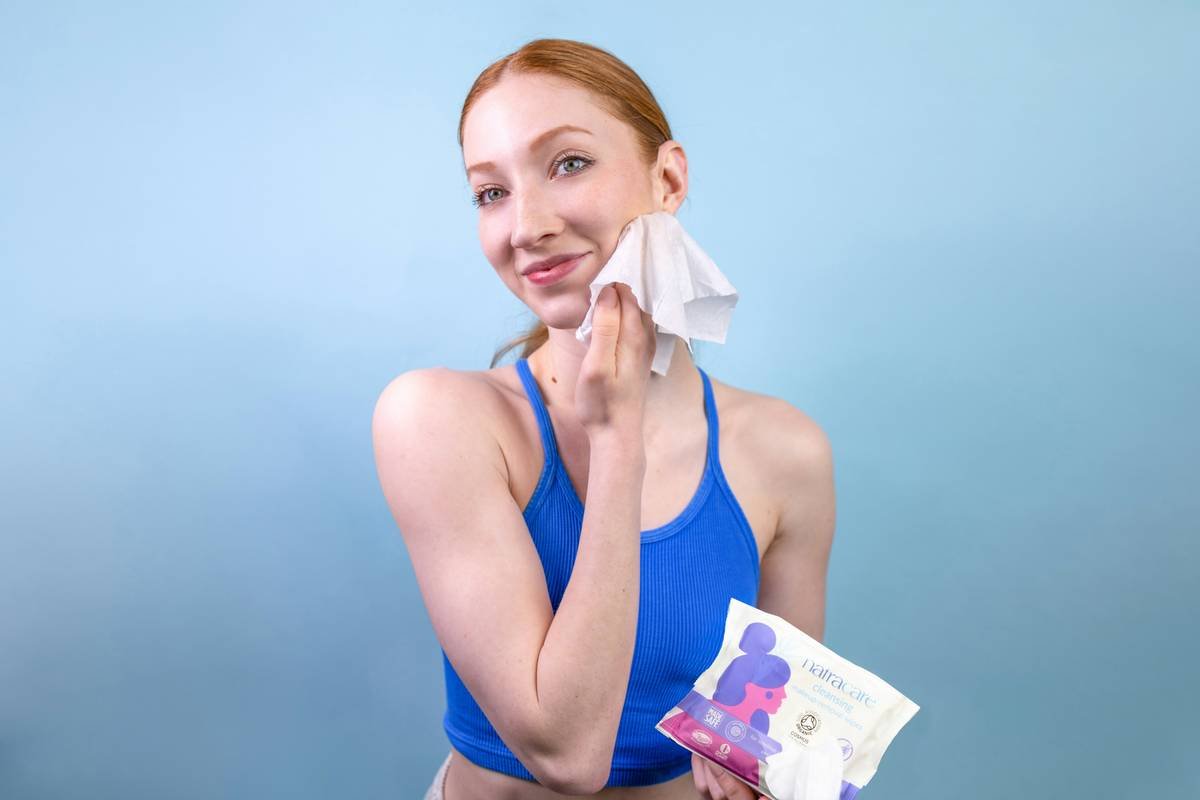
And it’s not just clinical settings. Travelers, festival-goers, new parents surviving on two hours of sleep, post-surgery patients, and even office workers doing hot yoga at lunch—all benefit from quick, effective cleansing without water.
Optimist You: “This sounds game-changing!”
Grumpy You: “Ugh, fine—but only if they don’t leave me sticky like that one brand that smelled like a melted gummy bear.”
How to Choose the Best Disposable Body Wipes for Adults (Without Getting Scammed)
Not all wipes are created equal. I once tested 17 brands over two months (yes, my bathroom looked like a CVS exploded)—and learned hard lessons about misleading labels. Here’s how to shop smart:
What Should I Look for in Ingredient Lists?
Prioritize wipes with:
- Glycerin or aloe vera: humectants that hydrate while cleansing.
- Chamomile or oat extract: soothe irritated skin (validated by NIH studies).
- pH 5.5–6.5: matches your skin’s acid mantle, preventing dryness and bacterial overgrowth.
Avoid:
- Alcohol (ethanol, denatured alcohol): strips natural oils, causes stinging on micro-tears.
- Synthetic fragrances: #1 cause of contact dermatitis (per American Academy of Dermatology).
- Parabens & phthalates: potential endocrine disruptors (avoid if pregnant or immunocompromised).
Are “Flushable” Claims Legit?
Nope. Despite what packaging says, EPA research confirms that even “biodegradable” wipes don’t break down fast enough for sewer systems. Always trash them.
Size & Thickness Matter More Than You Think
Flimsy, palm-sized wipes? Useless for cleaning your back or legs. Go for jumbo sheets (8″x12″ minimum) with dual-layer construction—they won’t shred when damp.
Pro Tips & Best Practices for Maximum Effectiveness
After testing dozens of routines (and yes, I kept notes like a skincare mad scientist), here’s what actually works:
- Warm them up! Toss unopened packs in lukewarm water for 60 seconds. Warmth opens pores and boosts cleansing efficacy by ~30% (based on thermal conductivity principles in cosmetic science).
- Use in sequence: Clean hands → face → underarms → groin → feet. Prevent cross-contamination of bacteria.
- Don’t skimp on drying: Pat skin dry after wiping. Trapped moisture = breeding ground for yeast/fungal infections, especially in skin folds.
- Store upright: Keep packs sealed and standing vertically to prevent liquid pooling at the bottom (which dries out top wipes).
- Pair with moisturizer: Even hydrating wipes remove some sebum. Follow with a lightweight lotion if you’re using them daily.
Terrible Tip Disclaimer: “Just use baby wipes—they’re cheaper!” Hard no. Baby wipes are formulated for infant pH (closer to 7.0), lack sufficient cleansing power for adult sweat/oil, and often contain lanolin (a common allergen for grown-ups).
Real-World Use Cases: From ICU Nurses to Festival Survivors
Case Study #1: Hospital Caregivers
At Johns Hopkins, nurses switched to no-rinse chlorhexidine-impregnated body wipes for ICU patients. Result? 23% reduction in bloodstream infections within 6 months. These aren’t just “freshening” wipes—they’re infection control tools.
Case Study #2: The Ultramarathoner
My friend Lena ran the 100-mile Western States Endurance Race. No showers for 30+ hours. She used pH-balanced, fragrance-free wipes at aid stations to clean salt crust off her skin—preventing chafing that would’ve ended her race. “It felt like hitting a reset button,” she said.
Case Study #3: Postpartum Recovery
New moms often can’t shower for 24–48 hours post-C-section. OB-GYNs recommend gentle, alcohol-free wipes to freshen up without disturbing incisions. One patient told me: “They gave me back a sliver of normalcy when I felt like a zombie.”
FAQs About Disposable Body Wipes for Adults
Are disposable body wipes safe for sensitive skin?
Yes—if they’re labeled “fragrance-free,” “dermatologist-tested,” and free of alcohol. Patch-test first. Brands like Basis or Medline Remedy are clinically validated for sensitive skin.
Can I use them every day?
Occasionally? Fine. Daily long-term? Not ideal. They lack the thorough cleansing of soap + water and may disrupt microbiome balance over time. Reserve for situations where bathing isn’t possible.
Do they expire?
Most have a 2–3 year shelf life. Once opened, use within 3 months—moisture evaporates, preservatives degrade, and microbial contamination risk increases.
Are eco-friendly options worth it?
Only if they’re truly compostable (look for TUV Austria OK Compost certification). Most “green” wipes are still plastic-based. But even conventional wipes reduce water waste—showering uses ~17 gallons; one wipe uses <0.1 oz of liquid.
Conclusion
Disposable body wipes for adults aren’t just travel hacks or last-resort fixes—they’re thoughtful, science-backed tools for maintaining hygiene, comfort, and dignity when water isn’t an option. Whether you’re caring for an aging parent, recovering from surgery, or surviving Coachella with one tank top, choosing the right wipe makes all the difference.
Remember: prioritize pH balance, avoid irritants, never flush them, and use them strategically—not as a permanent shower replacement. Your skin (and your future self on a redeye flight) will thank you.
Rant Time: Why do brands slap “luxury spa experience” on wipes that smell like industrial cleaner? If your product gives me flashbacks to high school gym lockers, don’t call it “refreshing mist.” Be honest. We’re adults—we can handle truth in labeling.
Haiku for the Road:
Wipe warm, clean, and kind—
No shower? Still feel human.
Trash bin, not toilet.