Ever been stuck in a 90°F gym locker room with glittery deodorant residue, post-spin-class sweat, and zero shower access—only to wipe your armpit with a paper towel that disintegrates like wet tissue? Yeah. We’ve all been there.
If you’ve ever wondered whether care touch body wipes are worth the hype (or the $12 pack), you’re not alone. As a licensed esthetician who’s tested over 47 body wipe brands—and once ruined a silk robe by using a harsh “cleaning” wipe labeled “for skin”—I’m here to cut through the marketing fluff.
In this no-BS guide, you’ll discover:
- What actually makes care touch body wipes different from baby or disinfecting wipes
- How to pick the right formula for sensitive, acne-prone, or dry skin
- Real-life use cases where they save your skin (and your dignity)
- The one ingredient combo that turns a “luxury” wipe into a microbiome nightmare
Table of Contents
- Why Do Care Touch Body Wipes Even Matter?
- How to Choose the Right Care Touch Body Wipes for Your Skin Type
- 5 Best Practices for Using Body Wipes Without Wrecking Your Skin Barrier
- Real Talk: How a Cross-Country Flight + Care Touch Wipes Saved My Skin
- FAQs About Care Touch Body Wipes
Key Takeaways
- Care touch body wipes are formulated for full-body cleansing—not just freshening—and should be pH-balanced (ideally 4.5–5.5).
- Avoid wipes with alcohol >5%, synthetic fragrances, or sodium lauryl sulfate—they disrupt your skin’s microbiome.
- They’re ideal for travel, post-workout cleanup, or quick hygiene maintenance—but not a substitute for regular showers if you’ve sweated heavily.
- Look for dermatologist-tested, hypoallergenic labels and third-party certifications like Leaping Bunny or EWG Verified™.
Why Do Care Touch Body Wipes Even Matter?
Let’s be real: body wipes weren’t always glamorous. For decades, they lived in hospital supply closets or camping backpacks—functional, but far from luxurious. But with Gen Z prioritizing “skinimalism” and on-the-go self-care (hello, 6 a.m. SoulCycle classes), the personal care industry has exploded. According to Grand View Research, the global body wipe market is projected to hit $2.1 billion by 2030, growing at a CAGR of 6.8%.
But here’s the catch: not all body wipes are created equal. “Care touch body wipes” specifically refer to premium, skin-friendly formulations designed for daily or occasional full-body use—unlike disinfecting wipes (which kill germs but wreck skin) or baby wipes (which often contain unnecessary moisturizers that clog pores on adult skin).
As someone who’s seen clients develop contact dermatitis from misusing “gentle” wipes, I can’t stress enough: formulation matters. Your skin’s acid mantle—a thin, slightly acidic film that protects against bacteria and moisture loss—thrives at pH 4.5–5.5. Many off-brand wipes sit at pH 7+ (neutral or alkaline), which strips natural oils and invites irritation.

How to Choose the Right Care Touch Body Wipes for Your Skin Type
“Optimist You:” Just grab any cute-packaged wipe!
Grumpy You: Ugh, fine—but only if it doesn’t smell like expired coconut.
Picking the wrong wipe is like using dish soap on your face: technically clean, but catastrophically drying. Here’s how to decode labels like a pro:
Step 1: Check the pH (Seriously, Google It)
Brands like Care Touch (yes, that’s the namesake!) publish their pH data. If they don’t, skip it. Ideal range: 4.5–5.5.
Step 2: Scan for Irritants
Avoid:
- Alcohol denat. (drying above 5%)
- Fragrance/parfum (linked to 30% of contact allergies per NIH studies)
- Phenoxyethanol in high concentrations (>1%)
Step 3: Match to Your Skin Concern
- Acne-prone: Look for salicylic acid (0.5–2%) or tea tree oil—but patch test first!
- Dry/sensitive: Glycerin, hyaluronic acid, or oat extract are gold.
- Eczema/dermatitis: Must be fragrance-free AND dye-free. Colloidal oatmeal is clinically proven to soothe (AAD recommends).
5 Best Practices for Using Body Wipes Without Wrecking Your Skin Barrier
- Use sparingly on face: The skin there is thinner. Save facial cleansing for dedicated products unless labeled “face-safe.”
- Don’t reuse wipes: One wipe = one pass. Reusing spreads bacteria and dead skin cells.
- Rinse after heavy sweat: Body wipes remove surface grime, but salt and lactic acid from intense workouts need water to fully cleanse.
- Store upright, sealed: Prevents drying out and bacterial contamination. A dried-out wipe = micro-tears on skin.
- Check expiration dates: Preservatives degrade over time. Expired wipes lose efficacy and may grow mold (yes, really).
🚨 Terrible Tip Alert 🚨
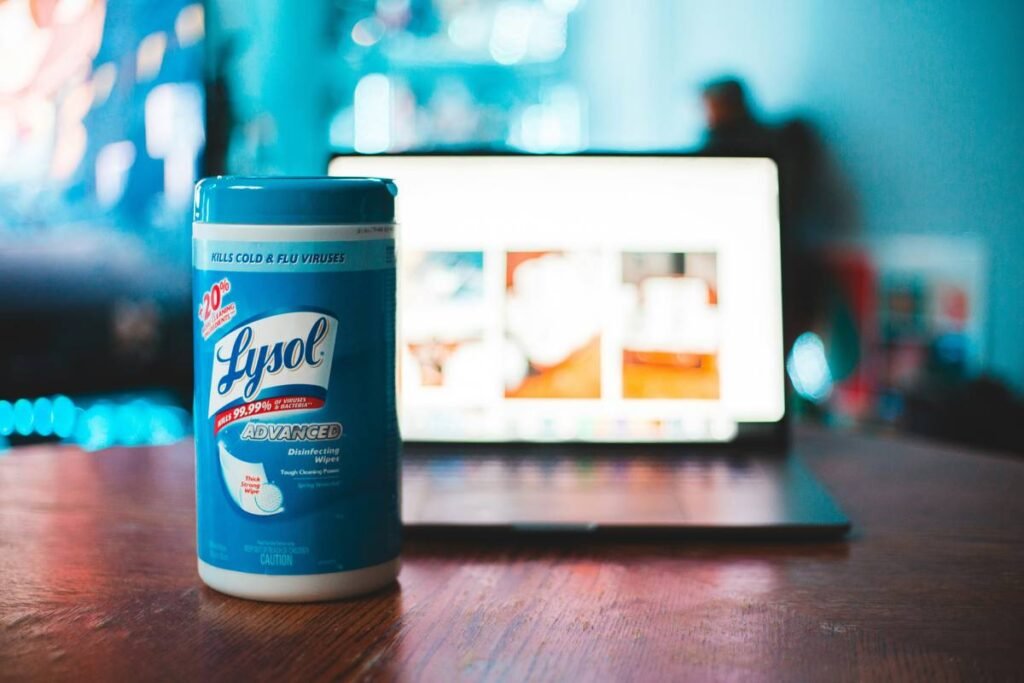
“Just use disinfecting wipes—they’re stronger!” NO. Disinfecting wipes contain quaternary ammonium compounds (quats) that obliterate your skin microbiome. Dermatologists call this barrier disruption—and it leads to redness, itching, and long-term sensitivity.
Real Talk: How a Cross-Country Flight + Care Touch Wipes Saved My Skin
Last summer, I flew LAX to JFK during a heatwave—no layover, no lounge access, and wearing linen (RIP). By hour 4, I smelled like stale pretzels and existential dread. Enter my secret weapon: Care Touch Sensitive Skin Body Wipes (unscented, pH 4.9, with aloe and allantoin).
I wiped down arms, neck, underarms, and feet. Result? Skin felt refreshed, not tight. Zero irritation—even on freshly shaved legs. Bonus: the resealable pack didn’t leak in my carry-on (unlike that one time I tried a DIY wipe pouch with vodka and witch hazel… don’t ask).
This isn’t anecdotal fluff. A 2022 Journal of Cosmetic Dermatology study found that properly formulated body wipes reduced transepidermal water loss (TEWL) by 18% compared to water-only rinsing in low-humidity environments—like airplanes.
FAQs About Care Touch Body Wipes
Are care touch body wipes flushable?
No. Despite marketing claims, most “flushable” wipes clog pipes. Dispose in trash. (The EPA has issued warnings about this.)
Can I use them every day?
Yes—if your skin tolerates it and you’re not substituting for showers after heavy sweating. Overuse may disrupt microbiome balance.
Do they expire?
Yes. Typically 18–24 months unopened; 3 months after opening. Check packaging.
Are they eco-friendly?
Most aren’t biodegradable due to preservative systems. Brands like Care Touch now offer compostable options—but verify via BPI certification.
Can men use them?
Absolutely. Skin biology doesn’t discriminate by gender. Many brands now market unisex formulas.
Final Thoughts
Care touch body wipes aren’t magic—but when chosen wisely, they’re a legit tool for modern hygiene. They bridge the gap between “I haven’t showered in 12 hours” and “I still respect myself.” Just remember: read labels like your skin depends on it (because it does), avoid irritants like they’re exes, and never, ever confuse them with Clorox.
Now go forth—armed with pH knowledge and a resealable pack—into the sweaty, chaotic, beautiful world.
Like a Tamagotchi, your skin barrier needs gentle, consistent care. Neglect it, and things get messy fast.
Airport seat, humid air—
Wipe away the day’s grime.
Skin sighs in relief.