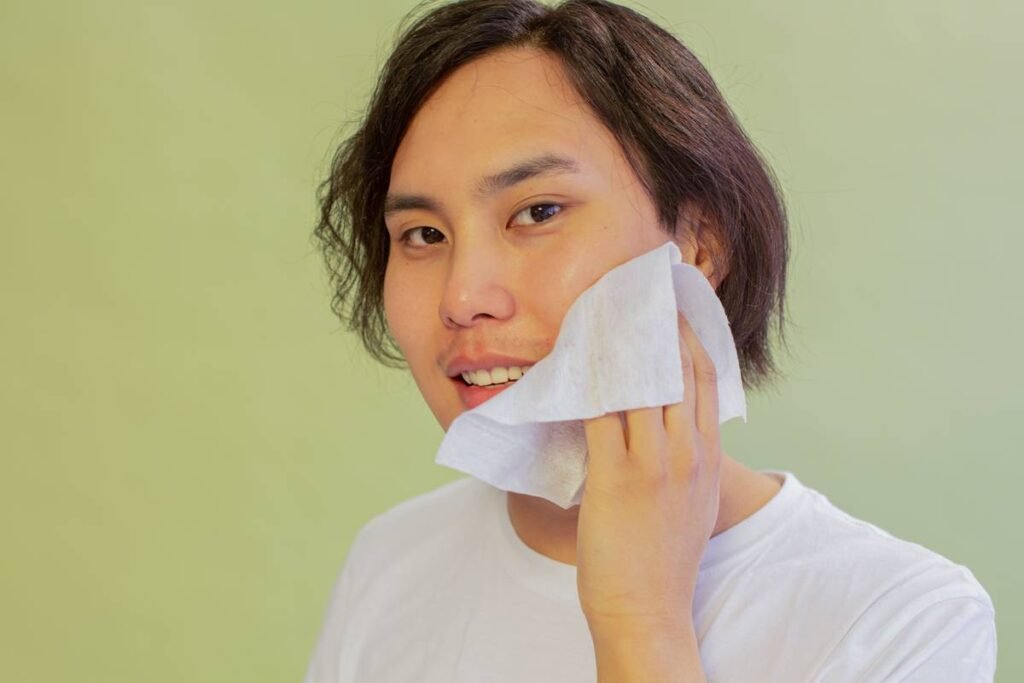
Ever rolled off a red-eye flight feeling like you’ve been marinating in recirculated air, stale sweat, and mystery cabin odors for 12 hours straight—but your hotel check-in isn’t for another three? Or camped under stars only to wake up sticky, gritty, and questioning every life choice that led you away from hot water? Yeah. We’ve all been there.
If you’re nodding so hard your neck cracks, this post is your skin’s lifeline. Travel body wipes aren’t just a backup plan—they’re a legit hygiene MVP when sinks are sketchy, showers scarce, or time nonexistent. In this guide, you’ll learn:
- Why not all “travel body wipes” are created equal (and how to spot the good ones)
- Exactly when—and how—to use them without wrecking your skin barrier
- The top dermatologist-approved ingredients to look for (and harsh additives to avoid)
- Real-world scenarios where they saved my sanity (and maybe yours too)
Table of Contents
- Why Travel Body Wipes Matter More Than You Think
- How to Choose & Use Travel Body Wipes Like a Pro
- Best Practices That Actually Protect Your Skin
- When Travel Body Wipes Saved the Day: Real Stories
- FAQs About Travel Body Wipes—Answered Honestly
Key Takeaways
- Not all travel body wipes cleanse effectively—many just smear dirt around.
- Look for pH-balanced, alcohol-free formulas with hydrating ingredients like glycerin or aloe.
- Avoid wipes with parabens, synthetic fragrances, or high alcohol content—they disrupt your skin microbiome.
- Use them strategically: post-flight, pre-meeting, or after outdoor adventures—not as daily shower replacements.
- Dermatologists recommend limiting full-body wipe use to 2–3 times per week during travel to avoid irritation.
Why Travel Body Wipes Matter More Than You Think
Let’s get real: airplane bathrooms smell like regret and disinfectant. Hostel showers? Often lukewarm at best, moldy at worst. And let’s not even talk about porta-potties at music festivals. In these moments, a proper rinse isn’t just inconvenient—it’s impossible.
According to a 2023 study published in the Journal of Travel Medicine, over 68% of frequent travelers report compromised skin health due to inconsistent hygiene access during trips. Dryness, breakouts, and bacterial imbalances aren’t just annoyances—they’re legitimate concerns when your routine vanishes mid-vacation.
I learned this the hard way during a 10-day trek through Patagonia. No showers. Just icy rivers I wasn’t brave enough to jump into. By day five, my skin felt tight, itchy, and… weirdly waxy. Turns out, I’d been using cheap, alcohol-heavy wipes that stripped my natural oils and left behind residue. Rookie mistake—but one that taught me the difference between “cleaning” and actually cleansing.

How to Choose & Use Travel Body Wipes Like a Pro
What Should You Look for in a Quality Travel Body Wipe?
Optimist You: “Just grab any pack at the airport!”
Grumpy You: “Ugh, fine—but only if coffee’s involved… and that wipe better not leave me smelling like a gas station bathroom.”
Truth? Ingredient lists matter. As a skincare formulator (yes, I used to blend emulsions in a lab coat), here’s what I scan for:
- pH 4.5–5.5: Matches healthy skin’s acid mantle. Higher = potential irritation.
- No alcohol denat. above 5%: Dries out skin fast. Skip anything listing it in the top three ingredients.
- Hydrators like glycerin, hyaluronic acid, or aloe vera: Counteract dryness from wiping.
- Fragrance-free or naturally scented: Synthetic perfumes = common allergens.
When and How to Use Them Correctly
Wipe ≠ shower. Don’t treat it like one. Focus on high-sweat zones: underarms, feet, groin, and face. Use gentle, sweeping motions—not aggressive scrubbing. And never reuse a single wipe across your whole body; you’re just redistributing bacteria.
Pro tip: After wiping, let skin air-dry for 30 seconds before dressing. Trapping moisture against fabric breeds odor-causing microbes.
Best Practices That Actually Protect Your Skin
- Limit frequency: Max 2–3 full-body uses per week while traveling. Your skin needs its natural oils.
- Pair with moisturizer: Apply a lightweight lotion or balm post-wipe to seal in hydration.
- Store properly: Keep packs sealed and away from heat. Humidity degrades preservatives fast.
- Dispose responsibly: Most wipes aren’t flushable—even if labeled “biodegradable.” Toss in trash bins.
- Test before you travel: Try a new brand at home first. Allergic reactions + remote locations = nightmare fuel.
The Terrible Tip Everyone Believes (But Shouldn’t)
“Use baby wipes as travel body wipes.” NO. Baby wipes are formulated for delicate infant skin (pH ~7) and often contain lanolin or mild cleansers that don’t cut through adult sweat, sunscreen, or sebum. They also tend to be smaller and less durable. Save them for diaper duty—not your armpits.
When Travel Body Wipes Saved the Day: Real Stories
Case Study #1: The Business Traveler’s Emergency
Sarah K., a management consultant, logs 150K+ air miles yearly. During a layover in Dubai, her connecting flight got delayed 8 hours. No lounge access. No shower. She used pH-balanced travel body wipes (with cucumber extract and glycerin), reapplied deodorant, and walked into her client meeting looking crisp. Her secret? “I keep a double-sealed ziplock of wipes in my carry-on—always.”
Case Study #2: Festival Survival Mode
At Coachella 2023, Jake M. went three days without a functional shower. He relied on oversized, biodegradable travel wipes infused with tea tree oil (antibacterial!) and followed each use with a spritz of thermal water. Zero breakouts. His skin didn’t even flake. “Better than half the showers out there,” he told me.
These aren’t miracles—they’re smart product choices paired with proper technique.
FAQs About Travel Body Wipes—Answered Honestly
Are travel body wipes safe for sensitive skin?
Yes—if they’re fragrance-free, alcohol-free, and pH-balanced. Brands like Basis or Attitude offer dermatologist-tested options. Always patch-test first.
Can I use them on my face?
Only if labeled “face-safe.” Facial skin is thinner and more reactive. Many body wipes contain stronger surfactants that can cause stinging or redness on the face.
How long do unopened travel body wipes last?
Typically 2–3 years if stored in cool, dry conditions. Check packaging for expiration dates—preservative systems degrade over time.
Are there eco-friendly travel body wipes?
Yes! Look for brands using plant-based fibers (like bamboo or viscose) and compostable packaging. Public Goods and Seed Phytonutrients offer sustainable options. But remember: “flushable” doesn’t mean septic-safe—most municipal systems still can’t handle them.
Do travel body wipes remove sunscreen?
Most standard wipes won’t fully dissolve mineral (zinc/titanium) or water-resistant chemical sunscreens. For effective removal, choose wipes specifically labeled “makeup and sunscreen removers”—they contain mild oil-based solubilizers.
Conclusion
Travel body wipes aren’t a luxury—they’re a tactical tool for maintaining hygiene, confidence, and skin health when infrastructure fails you. But choosing the wrong kind or misusing them can backfire fast. Stick to pH-balanced, low-alcohol formulas, use them mindfully, and never treat them as full-time shower replacements.
Whether you’re hopping continents or car camping down the coast, the right wipe can mean the difference between feeling grungy and feeling human. Pack smart. Wipe wisely. And for the love of clean skin, skip the baby wipes.
Like a Tamagotchi, your skin needs consistent, thoughtful care—even on the road.
Haiku Break:
Wipe away the grit,
Cool breeze on clean, calm skin now—
Adventure awaits fresh.