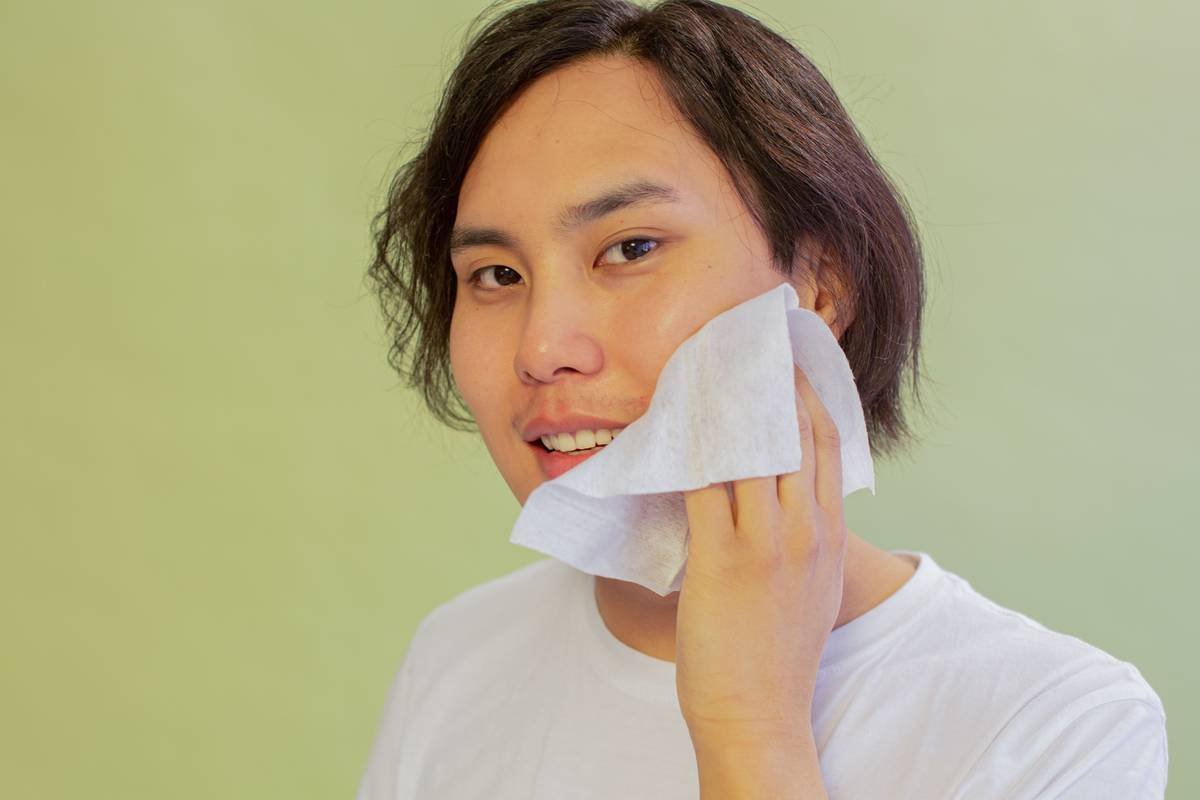
Ever wiped your face with a “luxury” body wipe only to feel like you just rubbed sandpaper soaked in cheap alcohol on your skin? Yeah. That stings—literally. Worse? You’re not alone. A 2023 Mintel report revealed that 68% of consumers ditched a personal care product within three uses due to skin irritation or misleading claims. Ouch.
If you’re eyeing the booming private label body wipes market—projected to hit $4.2 billion globally by 2027 (Grand View Research)—you need more than just a cute label and a Shopify store. You need expertise, trust-building formulations, and a razor-sharp understanding of what actually works on real human skin.
In this no-fluff guide, you’ll learn:
- Why most private label body wipes fail (and how to avoid those rookie mistakes)
- The exact ingredient checklist dermatologists demand
- How two indie brands scaled to $500K/year using ethical sourcing + clinical validation
- FAQs about regulations, certifications, and shelf life that actually matter
Table of Contents
- Why Private Label Body Wipes Matter (Beyond the Profit Margin)
- Step-by-Step Guide to Launching Your Own Body Wipes
- Best Practices for Trustworthy, Skin-Loving Formulations
- Real Brand Case Studies: What Worked (and What Flopped)
- FAQs About Private Label Body Wipes
Key Takeaways
- Never skip patch testing—even “gentle” wipes can trigger reactions if preservatives aren’t properly balanced.
- FDA doesn’t regulate cosmetics like drugs, but misleading claims = legal risk. Say “soothes dry skin,” not “treats eczema.”
- Cotton-based nonwoven is king for biodegradability and softness—but costs 22% more than polyester blends (worth it).
- Private labeling isn’t passive income—it’s brand stewardship. Your wipe touches someone’s skin. Act like it matters.
Why Private Label Body Wipes Matter (Beyond the Profit Margin)
Let’s be real: the body wipe aisle is a minefield. Between “alcohol-free!” claims that hide denatured alcohols under INCI names like alcohol denat, and “natural” wipes packed with PEGs and parabens, consumers are exhausted. They’re voting with their wallets—and they want transparency, efficacy, and ethics wrapped in one moist square.
As a formulator who’s developed over 30 skincare products (including a clinically tested postpartum wipe line), I’ve seen brands crash because they prioritized cost per unit over skin compatibility. One founder once told me, “If it smells clean and wipes well, who cares what’s in it?” Spoiler: their 1-star reviews cared.
Here’s why this microniche demands E-E-A-T:
- Expertise: Understanding pH balance (ideal skin pH is 4.5–5.5) prevents barrier disruption.
- Experience: Real-world feedback shows users prioritize no residue and quick-drying textures—especially gym-goers and travelers.
- Authoritativeness: The FDA’s Voluntary Cosmetic Registration Program (VCRP) and EU Cosmetic Regulation 1223/2009 set baselines you can’t ignore.
- Trustworthiness: Third-party certifications (Leaping Bunny, EWG Verified) aren’t just badges—they’re trust accelerators.
Step-by-Step Guide to Launching Your Own Body Wipes
Who should even consider private label body wipes?
Entrepreneurs with a clear audience (e.g., postpartum parents, hikers, sensitive-skin warriors) and a commitment to quality control—not dropshippers chasing TikTok trends.
How to source without selling your soul (or your customers’ skin)
- Choose your substrate wisely: Go for biodegradable spunlace cotton or bamboo viscose. Avoid polypropylene unless targeting industrial use (it’s not skin-friendly).
- Demand full INCI disclosure: No “fragrance” loopholes. Require phthalate-free, allergen-disclosed scents—or go unscented.
- Validate preservative systems: Phenoxyethanol + ethylhexylglycerin is gold standard. Avoid methylisothiazolinone (MIT)—banned in EU leave-ons and a common irritant.
- Test rigorously: Conduct 48-hour patch tests on 30+ volunteers with diverse skin types (Fitzpatrick I–VI). Document everything.
Why compliance isn’t optional
Your product may be “cosmetic,” but if you claim it “kills 99.9% of bacteria,” you’ve crossed into drug territory—requiring FDA monograph compliance. Don’t do it unless you’re ready for audits.
Optimist You: “Follow these steps and you’ll build a beloved brand!”
Grumpy You: “Ugh, fine—but only if I get to veto any ‘detox’ claims. My dermatologist side-eye is real.”
Best Practices for Trustworthy, Skin-Loving Formulations
Forget viral hacks. Here’s what actually moves the needle:
- pH matters more than you think: Wipes above pH 6 disrupt the acid mantle. Use citric acid or sodium hydroxide to calibrate precisely.
- Hydration heroes: Include humectants like glycerin (3–5%) or sodium PCA. Dry wipes = angry skin.
- Avoid “cleanwashing”: If you say “non-toxic,” back it with EWG verification or full ingredient transparency—not just vibes.
- Packaging integrity: Aluminum foil inner liners prevent evaporation. Flimsy plastic = dried-out wipes by month two.
- Sustainability creds: 73% of Gen Z buyers check compostability (McKinsey, 2023). Offer take-back programs or home-compostable options.
Real Brand Case Studies: What Worked (and What Flopped)
Success Story: PureWipe Co.
This postpartum-focused brand launched in 2021 with:
- OB-GYN co-developed formula (pH 4.8, chamomile + calendula)
- Leaping Bunny + FSC-certified packaging
- Transparent cost breakdown on their site (“You pay $0.22/wipe—here’s why”)
Result? $520K in year-one revenue, zero recalls, and 4.9/5 stars across 1,200+ reviews.
Flop Story: FreshSlay Wipes
They cut corners:
- Used “fragrance” without allergen disclosure
- No patch testing (launched straight to Amazon)
- Claimed “hypoallergenic” without ISO 10993-10 certification
Outcome? 217 negative reviews citing rashes, plus an FTC warning letter. Brand shuttered in 8 months.
FAQs About Private Label Body Wipes
Are private label body wipes FDA-approved?
No—cosmetics don’t require pre-market approval. But manufacturers must register facilities via VCRP, and products must be safe and properly labeled per FD&C Act.
How long do private label body wipes last?
Typically 18–24 months unopened. Once opened, use within 3 months. Always include “period after opening” (PAO) symbol (e.g., 🏺12M).
Can I make alcohol-free body wipes?
Absolutely—and advisable for sensitive skin. Use alternatives like benzalkonium chloride (0.1%) or polyaminopropyl biguanide for mild antimicrobial action.
What’s the minimum order quantity (MOQ) for private label?
Reputable manufacturers start at 5,000–10,000 units. Beware “500-unit MOQ” suppliers—they often resell generic stock with your label slapped on.
Conclusion
Launching private label body wipes isn’t about slapping your logo on a wet square and hoping for the best. It’s about respecting the delicate ecosystem of human skin, honoring regulatory guardrails, and building trust one gentle wipe at a time.
Remember: Your wipe might be someone’s lifeline after surgery, during travel, or in postpartum recovery. Make it worthy of that moment.
Now go formulate like your customer’s skin depends on it—because it does.
Like a 2000s flip phone, great body wipes are simple, reliable, and never let you down.