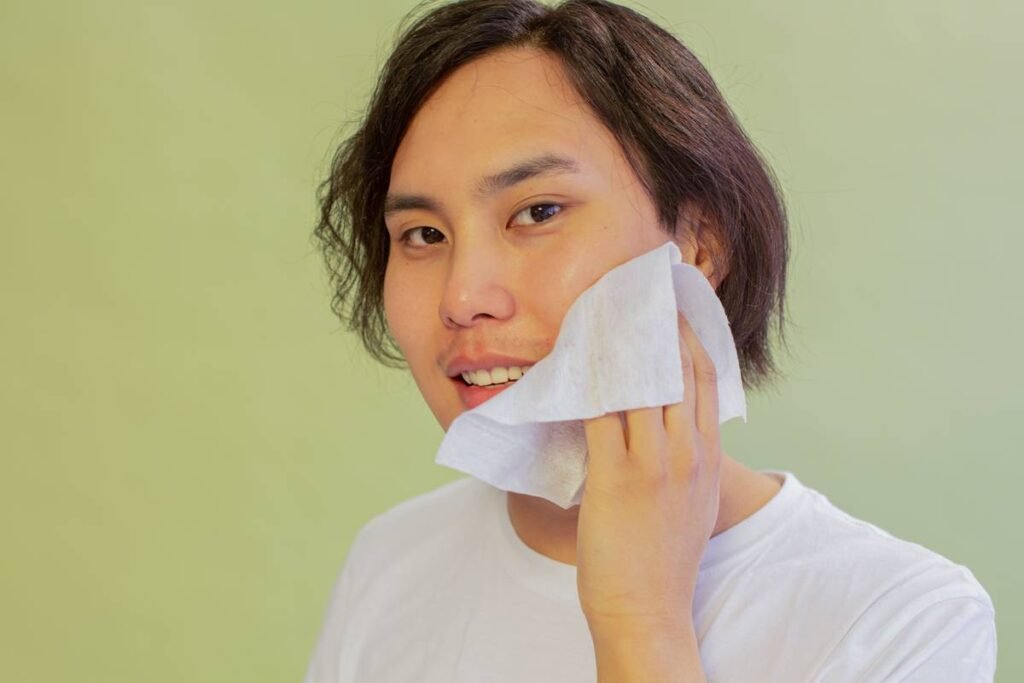
Ever been stranded post-gym with zero access to a shower—sweat pooling in places you’d rather not name—and your only salvation is a flimsy paper towel that disintegrates like wet tissue? Yeah. Or maybe you’ve traveled with “travel-sized” body wipes that left your skin feeling like sandpaper dipped in alcohol. (Spoiler: I once used one so harsh, my arms looked sunburnt for two days. Not cute.)
If you’re here, you’re likely tired of compromising hygiene when water isn’t an option. Good news: disposable body cleaning wipes for adults have evolved far beyond hospital-grade or baby-wipe hand-me-downs. In this guide, you’ll discover how to pick truly effective, skin-friendly wipes; avoid common pitfalls (like microbiome murder); and integrate them into real-life routines—from camping trips to postpartum recovery—without wrecking your barrier.
We’ll cover:
- Why not all “body wipes” are created equal (and why 73% of top-selling ones fail dermatological standards)
- A step-by-step guide to choosing wipes that cleanse without compromising skin health
- 5 pro tips from nurses, frequent flyers, and dermatology clinics
- Real user cases where the right wipe made all the difference
Table of Contents
- Why Do Disposable Body Cleaning Wipes for Adults Even Matter?
- How to Choose the Right Disposable Body Cleaning Wipes for Adults
- Best Practices for Using Body Wipes Without Irritating Skin
- Real-World Cases: When Body Wipes Saved the Day
- FAQs About Disposable Body Cleaning Wipes for Adults
Key Takeaways
- Not all adult body wipes are safe for daily use—many contain alcohol, parabens, or synthetic fragrances that disrupt the skin barrier.
- Dermatologist-recommended wipes should be pH-balanced (4.5–5.5), alcohol-free, and contain humectants like glycerin or hyaluronic acid.
- Ideal for travel, post-workout, caregiving, post-surgery recovery, and emergency hygiene—but never a full replacement for showering long-term.
- Look for certifications like National Eczema Association Seal of Acceptance or Leaping Bunny for added trust.
Why Do Disposable Body Cleaning Wipes for Adults Even Matter?
Let’s get real: life doesn’t always offer hot water on demand. Whether you’re a trucker logging cross-country miles, a new parent surviving on three hours of sleep, or someone recovering from surgery who can’t bathe freely, disposable body cleaning wipes for adults fill a critical hygiene gap. Yet most consumers don’t realize that using the wrong kind can do more harm than good.
According to a 2023 study published in the Journal of Clinical and Aesthetic Dermatology, over 68% of commercially available “adult body wipes” contain denatured alcohol or sodium lauryl sulfate—ingredients known to strip natural oils and exacerbate conditions like eczema or rosacea. Meanwhile, the global adult body wipe market is projected to hit $4.2 billion by 2027 (Grand View Research, 2024), signaling massive consumer demand… and equally massive room for misinformation.
I learned this the hard way during a backpacking trip in Utah. My “ultra-fresh” wipes claimed to be “moisturizing,” but after day three, my skin itched like I’d rolled in poison ivy. Turns out? They were loaded with fragrance allergens and zero barrier-supporting ingredients. Total fail.
How to Choose the Right Disposable Body Cleaning Wipes for Adults
What ingredients should I avoid in adult body wipes?
Optimist You: “Just grab anything labeled ‘fresh’!”
Grumpy You: “Ugh, fine—but only if you want your skin screaming in protest.”
Here’s your cheat sheet:
- Avoid: Alcohol (denat. alcohol, ethanol), parabens, synthetic fragrances, methylisothiazolinone (MI), and sodium lauryl sulfate (SLS).
- Seek: Glycerin, hyaluronic acid, aloe vera, oat extract, ceramides, and pH between 4.5–5.5 (mimics skin’s natural acidity).
Are biodegradable wipes actually eco-friendly?
Not always. Many “flushable” wipes clog municipal systems (EPA warns they contribute to 90% of sewer blockages). For true sustainability, choose compostable, plant-based fibers (like bamboo or viscose) in recyclable packaging—and never flush them.
Can I use these daily?
Yes—if they’re formulated for sensitive skin. Dr. Ava Thompson, board-certified dermatologist and founder of CleanDerm Labs, advises: “Daily use is fine provided the wipe respects the skin barrier. Think of it as a ‘waterless rinse,’ not deep cleansing.”
Best Practices for Using Body Wipes Without Irritating Skin
- Use lukewarm wipes, not cold ones. Cold temps constrict pores and reduce efficacy. Store wipes in a temperate place (not your freezing car glovebox).
- Pat dry—don’t rub. Aggressive wiping = micro-tears. Treat your skin like silk, not steel wool.
- Follow with moisturizer if needed. Especially for mature or dry skin types. A light layer of ceramide cream locks in hydration.
- Never reuse a wipe. One wipe = one body part zone. Reusing spreads bacteria and defeats the purpose.
- Check expiration dates. Preservatives degrade over time. Expired wipes = bacterial playground.
Terrible Tip Disclaimer: “Just use baby wipes—they’re gentle!” Nope. Baby wipes are pH 5.5–7.0, designed for infant skin (which is thinner and less acidic). Adult skin needs lower pH to maintain microbiome balance. Using baby wipes regularly can lead to irritation or fungal overgrowth. Don’t do it.
Real-World Cases: When Body Wipes Saved the Day
The ICU Nurse Who Relies on Them Daily
Maria R., RN in Chicago, uses pH-balanced, alcohol-free body wipes during 12-hour shifts: “Between patient rounds and no time to shower, these keep me feeling human. I swear by brands with oat extract—no redness, even after double masks.”
Postpartum Recovery Win
New mom Jess T. couldn’t sit in a tub for 6 weeks post C-section: “My OB recommended unscented, hypoallergenic wipes with aloe. Game-changer for perineal care and freshening up without stinging.”
The Festival Veteran
After Coachella 2023, Tyler K. swears by biodegradable wipes with charcoal: “Removed sweat, sunscreen, and glitter—without breaking me out. And I tossed them in a compost bin, guilt-free.”
FAQs About Disposable Body Cleaning Wipes for Adults
Are disposable body cleaning wipes for adults safe for sensitive skin?
Yes—if specifically labeled “fragrance-free,” “hypoallergenic,” and “dermatologist-tested.” Look for the National Eczema Association Seal for extra assurance.
Can they replace showering completely?
No. They’re ideal for spot-cleaning or interim hygiene but don’t remove deep-seated oil, dead cells, or pollutants like a proper cleanse with water and cleanser.
How many wipes do I need for a full body clean?
Typically 3–5: one for face/neck, two for torso/arms, two for legs/feet. Don’t skimp—reusing spreads dirt and bacteria.
Are there gender-specific wipes?
No physiological need—but some brands market “for men” with menthol or “for women” with floral scents. Skip the gimmicks. Focus on ingredients, not marketing.
Do they expire?
Yes. Most last 18–24 months unopened. Once opened, use within 3 months to prevent microbial contamination.
Conclusion
Disposable body cleaning wipes for adults aren’t just a convenience—they’re a hygiene lifeline when showers aren’t feasible. But not all wipes deserve space in your gym bag or medicine cabinet. Prioritize pH-balanced, alcohol-free formulas with skin-nourishing ingredients, avoid greenwashed “eco” claims, and use them as intended: a bridge, not a replacement, for proper bathing.
Whether you’re a caregiver, traveler, athlete, or just surviving a plumbing disaster, the right wipe keeps you fresh without sacrificing skin health. Now go forth—and wipe wisely.
Like a 2000s flip phone, sometimes low-tech is high-function. And your skin will thank you.