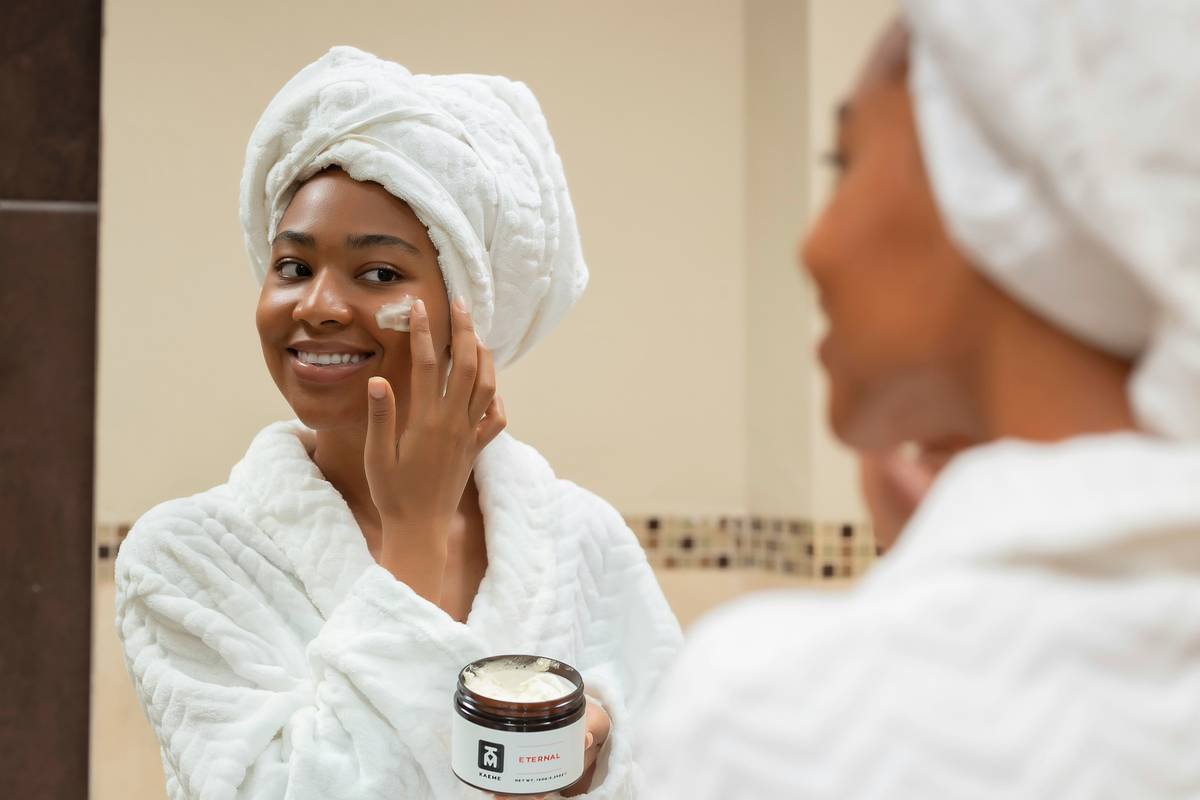
Ever grabbed a “refreshing” body wipe after the gym, only to end up with red, itchy skin that feels tighter than your last pair of skinny jeans? You’re not alone—and spoiler: not all hygiene product wipes are created equal. In fact, some might be secretly sabotaging your skin barrier while pretending to cleanse.
In this deep-dive guide, we’ll unpack whether hygiene product wipes are truly cleansing bad (or just misunderstood), explore what ingredients to avoid, compare clinical vs. drugstore options, and share real dermatologist-backed strategies to use them safely—if at all. You’ll walk away knowing exactly when body wipes help… and when they hurt.
Table of Contents
- Key Takeaways
- Why Are Body Wipes Under Scrutiny?
- How to Use Body Wipes Without Harming Your Skin
- 5 Dermatologist-Approved Best Practices for Safe Wiping
- Real-World Case Studies: What Happened When People Overused Wipes?
- FAQs About Hygiene Product Wipes
- Conclusion
Key Takeaways
- Not all hygiene product wipes are “cleansing bad”—but many contain harsh surfactants, alcohol, or fragrances that disrupt the skin barrier.
- Overuse—especially on sensitive areas like underarms or bikini lines—can lead to contact dermatitis or microbiome imbalance.
- Look for pH-balanced, fragrance-free wipes with gentle cleansers like decyl glucoside or coco-glucoside.
- Dermatologists recommend using body wipes only as a temporary substitute for showering, not daily hygiene.
- If you experience stinging, redness, or dryness, stop immediately—it’s your skin screaming for mercy.
Why Are Hygiene Product Wipes Under Scrutiny?
Let’s get real: I once relied on travel-sized body wipes during a 36-hour flight delay in Istanbul. By day two, my armpits felt like sandpaper, and I broke out in tiny red bumps along my ribcage. Turns out, those “gentle” wipes were packed with 68% alcohol and synthetic musk—a combo that left my skin’s acid mantle in shambles.
This isn’t just anecdotal. According to the American Academy of Dermatology (AAD), overuse of pre-moistened cleansing wipes is a rising cause of irritant contact dermatitis—especially among frequent travelers, postpartum parents, and outdoor enthusiasts who lean on them as shower substitutes.
The core issue? Many hygiene product wipes marketed as “cleansing” actually strip more than they clean. They often contain:
- Alcohol (ethanol, isopropyl alcohol): Dries skin rapidly; disrupts lipid barrier.
- Sodium lauryl sulfate (SLS) or similar surfactants: Harsh detergents that remove natural oils.
- Fragrance/parfum: A top allergen per the North American Contact Dermatitis Group.
- Preservatives like methylisothiazolinone: Linked to eczema flares.
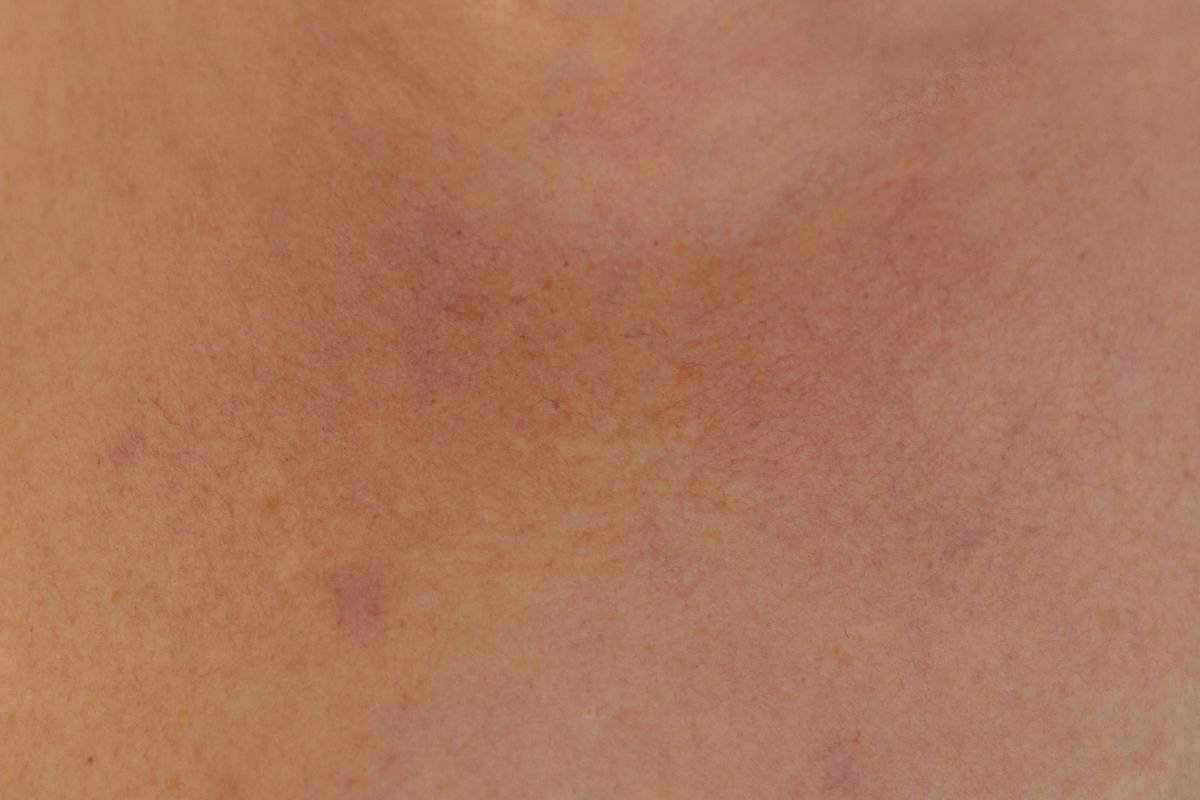
So yes—some hygiene product wipes are “cleansing bad.” But it’s not the entire category that’s flawed. It’s the formulation.
Optimist You: “Just read labels before buying!”
Grumpy You: “Ugh, fine—but only if the label isn’t written in microscopic hieroglyphics next to ‘fragrance (proprietary blend).’”
How to Use Body Wipes Without Harming Your Skin
If you must use them (hello, camping trips, post-surgery recovery, or newborn midnight changes), here’s how to minimize damage:
Step 1: Choose pH-Balanced Wipes (Target pH 4.5–5.5)
Your skin’s natural pH sits around 5.5. Wipes with high pH (often >7 due to alkaline soaps) raise skin pH temporarily, inviting bacterial overgrowth and inflammation. Look for labels that state “pH-balanced for skin” or list citric acid/lactic acid in ingredients—they help restore acidity.
Step 2: Avoid Alcohol-Based Formulas for Daily Use
Alcohol wipes evaporate quickly, giving a false sense of “clean.” But repeated exposure dehydrates stratum corneum lipids. Reserve these for sanitizing surfaces—not skin.
Step 3: Never Rub—Pat Gently
Aggressive wiping + abrasive fibers = micro-tears. Use soft, biodegradable non-woven fabric and press lightly. Think “dabbing spilled wine,” not “scrubbing burnt lasagna off a pan.”
Step 4: Follow with Moisturizer (Seriously)
Within 3 minutes post-wipe, apply a ceramide-based body lotion or ointment to seal moisture. Skipping this step leaves your compromised barrier exposed to environmental aggressors.
5 Dermatologist-Approved Best Practices for Safe Wiping
- Limit use to 1–2x/week max. Dr. Hadley King (clinical dermatologist, NYC) advises: “Body wipes should never replace regular bathing with water and mild cleanser.”
- Patch test new wipes. Apply behind your ear for 24 hours. No redness? Proceed.
- Never use on broken or inflamed skin. Wipes can introduce preservatives into open micro-cracks, worsening irritation.
- Opt for single-use packaging. Multi-pack tubs expose remaining wipes to airborne bacteria—defeating the purpose of “hygiene.”
- Check expiration dates. Preservatives degrade over time. Expired wipes may harbor mold or lose efficacy.
⚠️ Terrible Tip Disclaimer: “Use baby wipes instead—they’re gentler!” Nope. Baby wipes often contain cocamidopropyl betaine, which can trigger allergic reactions in adults. They’re formulated for infant skin (thicker stratum corneum), not yours.
Real-World Case Studies: What Happened When People Overused Wipes?
Case 1: The Backpacker’s Rash
A 28-year-old hiker used “antibacterial” body wipes daily for 10 days on the Appalachian Trail. Result? Severe intertrigo (inflammatory rash) in groin folds. Culture confirmed Candida albicans overgrowth—likely triggered by disrupted skin pH and occlusion from sweaty clothing + wipe residue.
Case 2: Postpartum Perineal Breakdown
After childbirth, a new mom used scented feminine wipes for perineal care. Within 3 days, she developed chemical burns requiring topical steroid treatment. Lab analysis revealed high quaternium-15 levels—a formaldehyde-releasing preservative banned in EU cosmetics but still legal in US “hygiene” products.
Takeaway: Context matters. What works for one scenario (e.g., post-workout armpit freshening) fails catastrophically in others (mucosal zones).
FAQs About Hygiene Product Wipes
Are hygiene product wipes cleansing bad for acne-prone skin?
Potentially yes. Alcohol and fragrances can increase transepidermal water loss (TEWL), prompting rebound oil production. Opt for salicylic acid-infused wipes only on affected areas—not full-body.
Can body wipes replace showering long-term?
No. Water physically removes sweat, dead cells, and pollutants. Wipes merely redistribute grime unless paired with vigorous friction—which damages skin. The CDC states showers remain gold standard for hygiene.
What’s the safest ingredient list to look for?
Water, glycerin, decyl glucoside (gentle surfactant), sodium benzoate/potassium sorbate (safe preservatives), lactic acid (pH adjuster), and zero fragrance.
Do “natural” wipes avoid these issues?
Not necessarily. “Natural” isn’t regulated. Some use essential oils (like tea tree or lavender), which are common sensitizers. Always check INCI names, not marketing claims.
Conclusion
So—are hygiene product wipes cleansing bad? Not inherently. But their reputation is earned through widespread misuse and poorly formulated products. Used sparingly, thoughtfully, and with clean-label formulas, they can be a convenient tool. But treat them like emergency bandaids—not daily skincare staples.
Your skin barrier is your first line of defense. Don’t trade short-term convenience for long-term inflammation. Read labels like a detective, patch-test like a scientist, and moisturize like your skin depends on it (because it does).
And hey—if you’re still itching after reading this? Maybe skip the wipe and just take that 5-minute shower. Your epidermis will thank you.
———-
Like a forgotten flip phone in 2007,
wipes feel handy—till your skin says “nah.”
Hydrate, don’t sanitize.