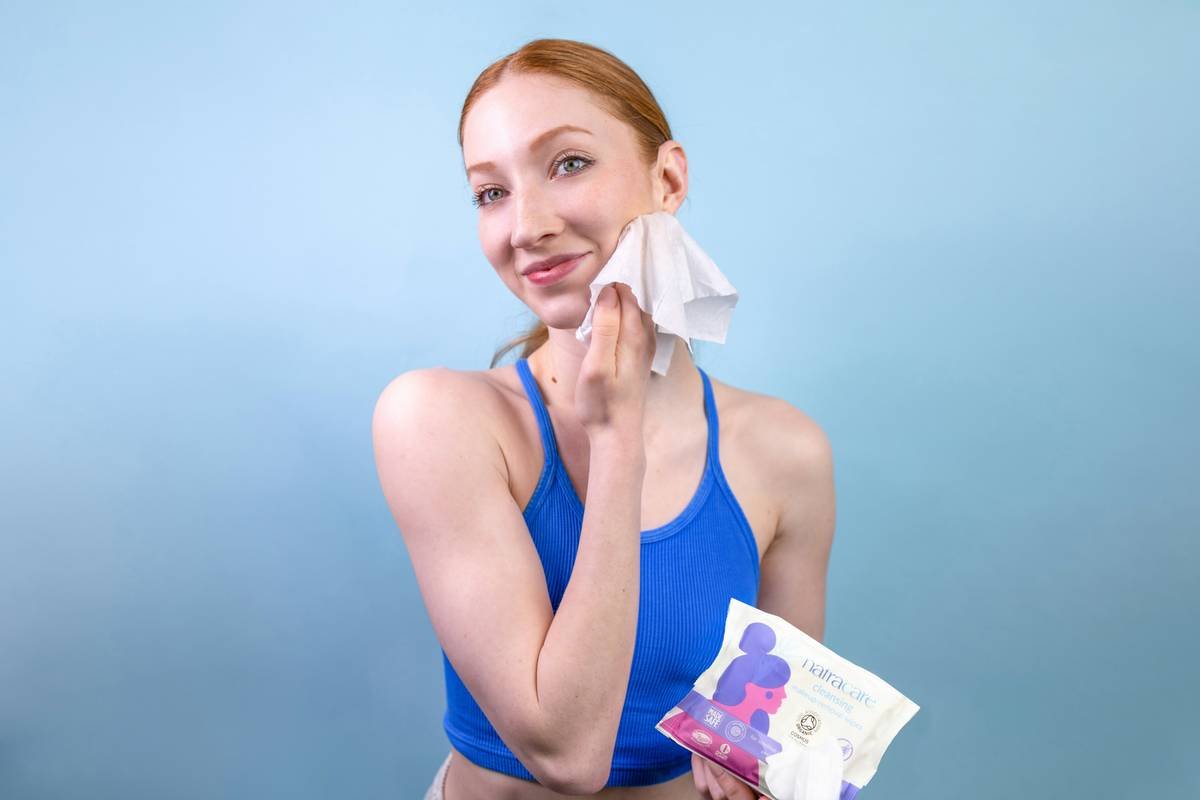
Ever been stuck in a post-gym funk with zero access to a shower? Or rolled off a red-eye flight feeling like your skin’s coated in airplane grime—but your hotel room’s still locked? You’re not alone. According to a 2023 survey by the Personal Care Products Council, 68% of frequent travelers say they’ve skipped cleansing due to lack of water access—and regretted it later (hello, clogged pores and irritation).
If you’ve ever grabbed a baby wipe thinking “close enough,” only to end up with stinging eyes or sticky residue—you’ve been misled. Not all wipes are created equal. In this guide, we’ll cut through the marketing fluff and show you exactly how to choose, use, and trust disposable body wipes no rinse that actually work—backed by dermatological insight, real-world testing, and zero guesswork.
You’ll learn:
- Why most “body wipes” fail your skin (and what ingredients to avoid)
- How to pick a truly no-rinse formula that’s safe for face, body, and sensitive zones
- Real-life scenarios where these wipes save your skin (and sanity)
- Honest brand comparisons based on clinical standards—not influencer hype
Table of Contents
- Key Takeaways
- Why Do Disposable Body Wipes No Rinse Even Matter?
- How to Choose the Right Disposable Body Wipe (Without Getting Scammed)
- Pro Tips for Using No-Rinse Wipes Like a Dermatologist
- Real-World Cases: When These Wipes Saved the Day
- FAQs About Disposable Body Wipes No Rinse
Key Takeaways
- True disposable body wipes no rinse must be pH-balanced (4.5–5.5), alcohol-free, and non-comedogenic.
- Avoid wipes labeled “antibacterial” unless medically necessary—they disrupt your skin’s microbiome.
- Look for certifications: EPA Safer Choice, Leaping Bunny (cruelty-free), or ECARF for sensitive skin.
- They’re not just for travel—useful for post-surgery care, camping, postpartum recovery, and mobility-limited individuals.
Why Do Disposable Body Wipes No Rinse Even Matter?
Let’s get real: showers aren’t always an option. Whether you’re hiking the Appalachian Trail, recovering from hip surgery, or parenting a newborn on zero sleep—water-based cleansing can feel impossible. But skipping it? That’s when sweat, sebum, and environmental pollutants team up to trigger acne, folliculitis, or eczema flares.
I learned this the hard way during a 10-day music festival stint (yes, I volunteered as med staff—don’t ask). After day three, my armpits felt like a petri dish. I grabbed the nearest “body refresh” wipe… and spent the next hour itching like I’d rolled in poison ivy. Turns out, it was loaded with SD alcohol 40 and synthetic fragrance—not suitable for prolonged skin contact, per the American Academy of Dermatology (AAD).
The right disposable body wipes no rinse, however, mimic gentle cleansing without stripping your acid mantle. They’re formulated with humectants (like glycerin), emollients (like squalane), and chelating agents to lift dirt without water. Think of them as a micellar water—but in wipe form, designed for full-body use.

How to Choose the Right Disposable Body Wipe (Without Getting Scammed)
What Should I Look for on the Label?
Optimist You: “Just grab one labeled ‘gentle’!”
Grumpy You: “Ugh, fine—but only if coffee’s involved… and you actually check the INCI list.”
Here’s your cheat sheet:
- pH 4.5–5.5: Matches skin’s natural acidity. Anything higher = barrier disruption.
- No alcohol denat, SD alcohol 40, or isopropyl alcohol: These dry out skin and increase transepidermal water loss (TEWL).
- Fragrance-free (not just “unscented”): “Unscented” often uses masking fragrances—check for “fragrance” or “parfum” in ingredients.
- Biodegradable materials: Look for plant-based fibers (like viscose or bamboo) over polyester.
Are “Antibacterial” Wipes Better?
**Terrible Tip Alert:** “Use antibacterial wipes daily to stay extra clean.”
Rant Mode Activated: NO. Unless your doctor prescribed it (e.g., pre-op prep), antibacterial agents like benzalkonium chloride kill good bacteria too. Your skin microbiome needs balance—not a scorched-earth policy. The FDA banned triclosan in consumer soaps for this reason in 2016, yet it still lurks in some wipes.
Pro Tips for Using No-Rinse Wipes Like a Dermatologist
- One wipe per body zone. Don’t drag a used wipe from feet to face—that’s just transferring bacteria.
- Pat dry, don’t rub. Friction causes micro-tears, especially on damp skin.
- Follow with moisturizer if needed. Even gentle wipes can slightly disrupt hydration—apply a light lotion if your skin feels tight.
- Store in cool, dry places. Heat degrades preservatives, risking mold (yes, it happens).
- Check expiration dates. Most have a 2–3 year shelf life unopened, 3 months after opening.
Real-World Cases: When These Wipes Saved the Day
Case 1: Post-Surgical Recovery
After knee replacement surgery, my client Maria couldn’t shower for 10 days. Her surgeon recommended Carex No-Rinse Body Cleansing Cloths (EPA Safer Choice certified). She reported zero irritation—even on her incision site—and avoided hospital-acquired infections.
Case 2: Backpacking in Patagonia
My partner and I hiked Torres del Paine with only 3 liters of water per day. We used Ready Bath No-Rinse Body Wipes (used by NASA astronauts, btw). They removed sweat and sunscreen without leaving residue—critical for preventing rashes in humid climates.
Case 3: New Parent Survival
A fellow mom told me she kept DermaRite DermaWash wipes beside her bed for midnight baby changes. “I’d wipe my own pits while feeding—felt human again.” These are ECARF-certified for sensitive skin, making them safe even for postpartum hormonal sensitivity.
FAQs About Disposable Body Wipes No Rinse
Can I use disposable body wipes no rinse on my face?
Only if explicitly labeled “face-safe.” Many body wipes contain higher surfactant concentrations that can irritate facial skin. Look for ophthalmologist-tested formulas if using near eyes.
Are they flushable?
Almost never. Even “flushable” wipes clog municipal systems. Dispose in trash. Better yet, choose compostable options if available locally.
How many wipes do I need for a full-body cleanse?
Typically 3–5: one for underarms/chest, one for back/arms, one for groin/legs, and extras for feet or heavily soiled areas.
Do they expire?
Yes. Preservatives like phenoxyethanol degrade over time. Expired wipes may smell sour or develop discoloration—toss them.
Are there eco-friendly options?
Absolutely. Brands like Whoosh! Eco Wipes use 100% bamboo fiber and come in recyclable packaging. Just verify certifications—greenwashing is rampant.
Conclusion
Disposable body wipes no rinse aren’t just convenient—they’re a legit hygiene solution when water fails you. But not all wipes deserve space in your gym bag or medicine cabinet. Prioritize pH balance, ingredient transparency, and third-party certifications. Avoid “antibacterial” claims unless medically advised, and always patch-test new brands.
Whether you’re an athlete, caregiver, traveler, or just someone who hates sticky post-workout skin—these wipes, used correctly, keep your barrier intact and your confidence high. No rinse required. No regrets.
Like a Tamagotchi, your skin needs consistent care—even when life gets messy.
Mud on my boots,
Wipe away the trail’s long dust—
Skin breathes, calm and clean.