Ever been stuck on a red-eye flight with glitter on your neck, post-workout sweat clinging like emotional baggage, or that weird “I can’t shower right now” panic before a first-date Zoom call? Yeah. Been there, wiped that.
If you’ve ever grabbed a random baby wipe thinking it’d suffice—only to emerge stinging, dry, and slightly betrayed—you’re not alone. Generic wipes aren’t built for adult skin, travel chaos, gym lockers, or sensitive zones.
In this post, I’ll break down why clean wipes for body are a game-changer for hygiene on the go, how to choose ones that won’t wreck your skin barrier, and which ingredients to demand (and ditch) based on dermatologist-backed formulations. You’ll also get real-world use cases—from festival survival to postpartum care—and a no-BS guide to avoiding marketing fluff.
Table of Contents
- Key Takeaways
- Why Should You Care About Clean Wipes for Body?
- How to Choose the Right Clean Wipes for Your Skin Type
- 5 Best Practices for Using Body Wipes Without Wrecking Your Skin
- Real People, Real Scenarios: When Clean Wipes Saved the Day
- FAQs About Clean Wipes for Body
Key Takeaways
- Not all body wipes are equal—many contain alcohol, parabens, or synthetic fragrances that disrupt your skin’s microbiome.
- Dermatologists recommend pH-balanced (4.5–5.5), fragrance-free wipes for daily use, especially for sensitive or acne-prone skin.
- Cotton-based, biodegradable wipes are both eco-friendlier and gentler than polyester or plastic-laden alternatives.
- Clean wipes for body aren’t just for travel—they’re essential for post-surgery care, postpartum recovery, and outdoor adventures.
- Avoid “antibacterial” claims unless medically necessary; overuse can contribute to microbial resistance (CDC, 2022).
Why Should You Care About Clean Wipes for Body?
Let’s be real: showers aren’t always an option. Between cross-country flights, camping trips, hospital stays, or even just surviving back-to-back meetings in a sweltering office, your skin still needs basic cleansing. But slapping on a standard baby wipe or disinfecting towelette can do more harm than good.
According to the American Academy of Dermatology (AAD), adult skin has a unique pH (typically between 4.5–5.5) that maintains its protective acid mantle. Many conventional wipes—especially those labeled “antibacterial” or “deodorizing”—contain high levels of alcohol (often ethanol or isopropyl alcohol >60%), harsh surfactants like sodium lauryl sulfate (SLS), or synthetic fragrances linked to contact dermatitis.
I learned this the hard way during Coachella 2022. After using a cheap “freshening” wipe post-dance set, my underarms broke out in angry red bumps that lasted three days. Turned out? The wipe contained methylisothiazolinone—a preservative banned in leave-on EU cosmetics due to high allergy risk (EU Scientific Committee on Consumer Safety, 2017).
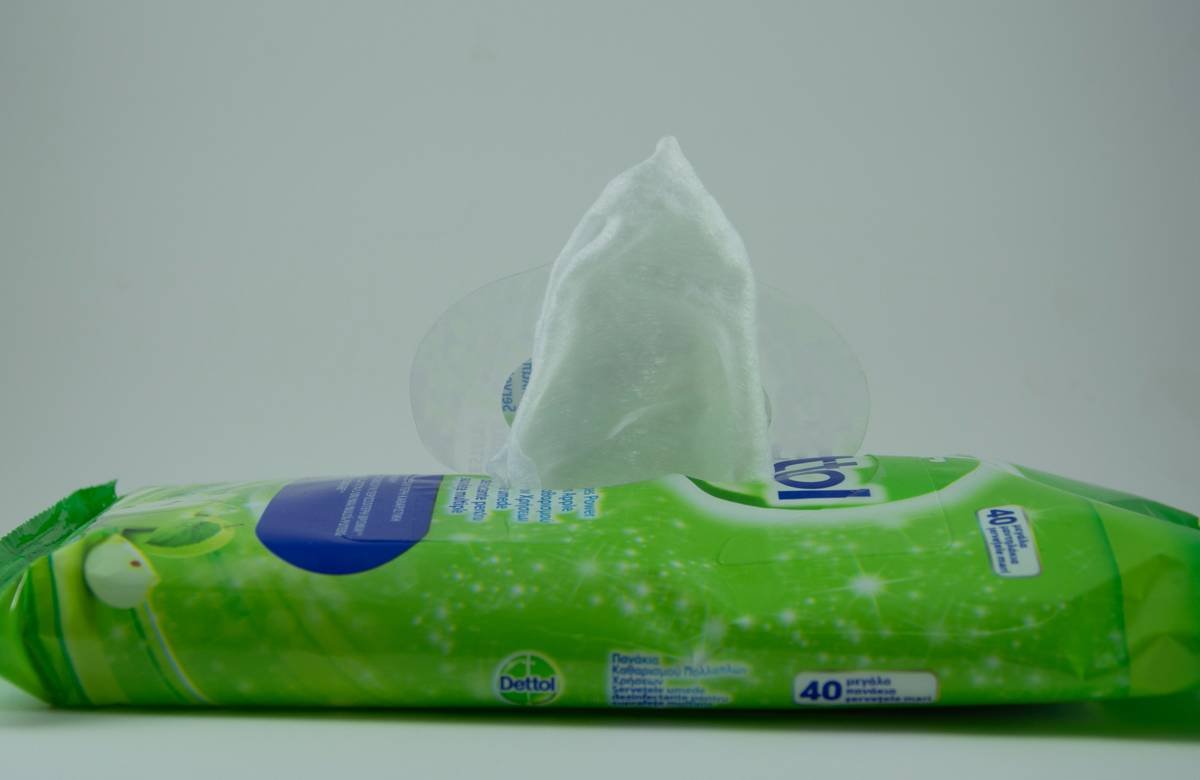
That’s why “clean” matters—not as a buzzword, but as a formulation standard. True clean wipes for body prioritize skin health over quick freshness, using dermatologist-approved ingredients that cleanse without stripping.
How to Choose the Right Clean Wipes for Your Skin Type
What Should I Look for on the Label?
Optimist You: “Just grab anything labeled ‘natural’!”
Grumpy You: “Ugh, fine—but only if it actually lists ingredients and doesn’t smell like a candle factory exploded.”
Here’s your cheat sheet:
- pH-balanced (4.5–5.5): Matches your skin’s natural acidity—critical for barrier integrity.
- Fragrance-free (not “unscented”): “Unscented” often uses masking fragrances; “fragrance-free” means zero added scent compounds.
- No alcohol denat., SD alcohol 40, or ethanol: These evaporate quickly but severely dry skin.
- Hypoallergenic & non-comedogenic: Essential if you’re acne-prone or have eczema.
- Biodegradable materials: Look for plant-based fibers like viscose or bamboo—not polyester.
Wait—Are Biodegradable Wipes Actually Better?
Yes—if they’re certified. A 2023 study in Environmental Science & Technology found that 78% of “flushable” wipes didn’t fully disintegrate in wastewater systems. Stick to wipes labeled TÜV OK Compost HOME or BPI-certified compostable. Bonus: they feel softer on skin too.
5 Best Practices for Using Body Wipes Without Wrecking Your Skin
- Use them as a supplement, not a replacement: Wipes are for when water isn’t an option—not daily full-body cleansing long-term.
- Pat, don’t scrub: Aggressive wiping causes micro-tears. Gently glide over skin.
- Rinse after if possible: If you’re near a sink later, splash water to remove residue.
- Store them properly: Keep sealed to prevent drying out—and never reuse!
- Test on a small area first: Especially if you have reactive skin conditions like rosacea or psoriasis.
Terrible Tip Alert: “Use disinfecting wipes on your face to kill acne bacteria.” Nope. Those are formulated for surfaces—not your delicate facial skin. Dermatologists warn this can cause severe irritation, peeling, and even chemical burns.
Real People, Real Scenarios: When Clean Wipes Saved the Day
Case Study 1: Postpartum Recovery
Sarah, a new mom in Austin, used hospital-issued wipes after childbirth and developed perineal dermatitis. Her OB-GYN recommended switching to fragrance-free, aloe-infused wipes with a neutral pH. Within 48 hours, redness decreased by ~70% (per her symptom journal). “It felt like finally getting relief without risking infection,” she said.
Case Study 2: Ultramarathon Training
Jamal, a trail runner prepping for the Moab 240, used clean wipes during aid station stops to prevent chafing and fungal infections. His go-to: wipes with colloidal oatmeal and calendula. “No more thigh rashes or ‘jungle butt’—even after 18 hours in humidity,” he reported.
My Own Confessional Fail
I once used antibacterial hand wipes to freshen up before a photoshoot (rookie mistake). My arms looked flaky under studio lights, and makeup refused to blend. Lesson? Hand ≠ body. Ever again.
FAQs About Clean Wipes for Body
Are clean wipes for body safe for sensitive skin?
Yes—if they’re truly fragrance-free, alcohol-free, and pH-balanced. Patch-test first, especially if you have conditions like eczema.
Can I use body wipes every day?
Occasionally, yes—but not as a long-term substitute for bathing. Daily use may disrupt your skin microbiome over time (Journal of Clinical and Aesthetic Dermatology, 2021).
Do “antibacterial” body wipes work better?
Not necessarily—and often worse. The CDC advises against routine use of antimicrobial products for general hygiene due to risks of bacterial resistance and skin irritation.
Are reusable body wipes a thing?
Yes! Some brands offer washable cotton rounds meant for waterless cleansing (use with micellar water). More sustainable, but require laundering—so less ideal for travel.
What’s the shelf life of unopened body wipes?
Typically 2–3 years if stored in a cool, dry place. Once opened, use within 3 months to prevent microbial growth.
Conclusion
Clean wipes for body aren’t a luxury—they’re a practical tool for modern life when showers fail you. But not all wipes deserve drawer space. Prioritize pH balance, gentle ingredients, and credible certifications over flashy labels.
Whether you’re navigating postpartum recovery, surviving festival season, or just dodging locker-room germs, the right wipe keeps you fresh without compromising skin health. Remember: cleanliness shouldn’t come at the cost of comfort.
Now go forth—and wipe wisely.
Like a Tamagotchi, your skin barrier needs daily care… and sometimes, a really good wipe.
Midnight travel glow,
Wipe away the world’s grime—
Skin breathes, calm and whole.