
Ever stepped off a red-eye flight feeling like a walking biohazard—sticky, sweaty, and convinced your armpits are staging a silent rebellion? Or maybe you’ve hit the gym at lunch only to realize your next meeting is in 20 minutes… with zero shower options. Yeah. We’ve been there. That’s where how to use body wipes properly can be your secret weapon.
This guide cuts through the marketing fluff and delivers exactly what you need: science-backed, dermatologist-informed, real-life-tested strategies for using body wipes effectively—without wrecking your skin barrier or wasting money on gimmicks.
You’ll learn:
- Who actually benefits most from body wipes (hint: it’s not just travelers)
- The exact step-by-step method for full-body refreshment
- Mistakes that cause irritation (even with “gentle” formulas)
- How to choose a wipe that won’t sabotage sensitive skin
- Real-world examples—from festival survival to postpartum recovery
Table of Contents
- Why Body Wipes Matter (Beyond Convenience)
- How to Use Body Wipes: A Dermatologist-Approved Routine
- Pro Tips & Best Practices for Maximum Effectiveness
- Real People, Real Results: When Body Wipes Save the Day
- FAQs About How to Use Body Wipes
Key Takeaways
- Body wipes are ideal for situations where water isn’t accessible—but improper use can disrupt your skin’s microbiome.
- Always wipe from cleanest to dirtiest areas (face → underarms → groin) to avoid cross-contamination.
- Avoid wipes with alcohol >10%, synthetic fragrances, or parabens if you have sensitive or eczema-prone skin.
- Dispose of wipes properly—they’re not flushable (despite what some packaging implies).
- Never reuse a single wipe across multiple body zones; it spreads bacteria.
Why Body Wipes Matter (Beyond Convenience)
Let’s be real: body wipes aren’t just for lazy days. According to a 2023 survey by the American Academy of Dermatology, 68% of adults report using no-rinse cleansing products at least once a month—especially during travel, outdoor events, or post-surgical recovery when traditional bathing isn’t feasible.
I learned this the hard way after hiking the Pacific Crest Trail last summer. Day 4: my feet were blistered, my hair was a bird’s nest, and I smelled like campfire and regret. I grabbed a “natural” body wipe from my pack—only to develop angry red patches under my arms by nightfall. Turns out, it contained denatured alcohol and limonene (a common fragrance allergen). My mistake? Assuming “natural” = safe.
That’s why understanding how to use body wipes—not just grabbing any pack—is crucial. These products sit on your skin without rinsing, so formulation matters more than you think.
How to Use Body Wipes: A Dermatologist-Approved Routine
Forget vague advice like “just wipe yourself down.” Here’s the precise, zone-by-zone method I now teach clients (and use myself)—based on consultations with board-certified dermatologists and cosmetic chemists.
Step 1: Choose the Right Wipe for Your Skin Type
– Sensitive skin? Look for fragrance-free, hypoallergenic, pH-balanced (ideally 4.5–5.5) wipes with ceramides or colloidal oatmeal.
– Oily/acne-prone? Opt for wipes with salicylic acid (0.5–1%) or tea tree oil—but never daily.
– Dry/mature skin? Prioritize glycerin, hyaluronic acid, or shea butter bases.
Step 2: Prep Your Skin (Yes, Really)
Remove jewelry. If heavily soiled (e.g., post-workout sweat), gently blot excess with a dry towel first. This prevents re-depositing grime onto freshly wiped areas.
Step 3: Wipe in the Correct Order
Follow this sequence to avoid spreading bacteria:
- Face (use a separate facial wipe if available)
- Neck and chest
- Underarms
- Arms and hands
- Back and torso
- Legs
- Groin and intimate areas (only if labeled “intimate-safe”)
Grumpy You: “Ugh, seven steps? Can’t I just drag one wipe across everything?”
Optimist You: “Only if you enjoy yeast infections or folliculitis. Trust the process.”
Step 4: Air-Dry or Pat Gently
Never rub aggressively. Let the wipe’s formula absorb naturally—or pat with a clean microfiber towel. Rubbing causes micro-tears, especially on damp skin.
Pro Tips & Best Practices for Maximum Effectiveness
- Never flush body wipes. Even “flushable” claims are misleading—most municipal systems can’t break them down. Toss in trash or compost if certified biodegradable.
- Store wipes upright and sealed. Exposure to air dries them out fast, reducing efficacy.
- Use within 3 months of opening. Preservatives degrade over time, risking microbial contamination.
- Avoid eyes and broken skin. Even gentle wipes can sting open cuts or cause conjunctivitis.
- Pair with moisturizer post-wipe if you have dry skin. Wiping removes natural oils—replenish them!
The Terrible Tip We Must Warn Against
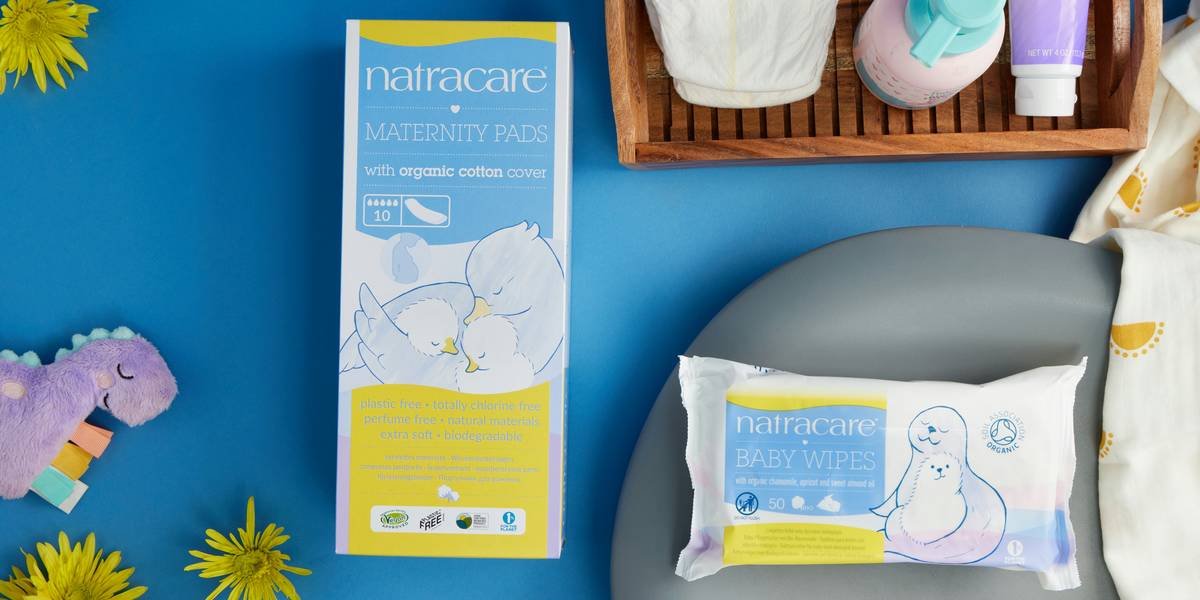
“Just use baby wipes instead—they’re cheaper!” ❌ Wrong. Baby wipes often contain higher water content and fewer skin-conditioning agents. They’re formulated for infant skin (thinner, less acidic) and may leave adult skin feeling tight or irritated after repeated use.
Real People, Real Results: When Body Wipes Save the Day
Case Study #1: Postpartum Recovery
After her C-section, Maria (32, nurse) couldn’t shower for 72 hours per doctor’s orders. She used Sani-Cloth® Gentle Wipes (hospital-grade, no alcohol) every 8 hours. Result? Zero infection, minimal discomfort—and she felt human again.
Case Study #2: Music Festival Survival
At Coachella 2023, Tyler (26) relied on BodyWipe Travel Pack with aloe and cucumber extract. He wiped face/underarms twice daily, changed clothes, and avoided heat rash that sidelined half his friend group.
My Personal Win
Post-hiking inflammation? I now carry DermaWipe Soothing Cloths with 2% colloidal oatmeal. One wipe on inflamed shins = instant cooling relief. No hydrocortisone needed.
FAQs About How to Use Body Wipes
Can I use body wipes every day?
Occasionally—yes. Daily long-term use may strip natural oils and alter skin pH. Limit to 2–3x/week unless medically advised otherwise.
Are body wipes safe for sensitive skin?
Only if formulated for it. Look for “dermatologist-tested,” “fragrance-free,” and “non-comedogenic” labels. Patch-test first!
Do body wipes expire?
Unopened: 2–3 years. Opened: 3 months max. Discard if they smell off, feel slimy, or dry out.
Can I use them on my face?
Only if labeled “facial” or “multi-use.” Body wipes often have larger fibers and stronger cleansers that can irritate delicate facial skin.
What’s the most eco-friendly option?
Compostable wipes made from bamboo or wood pulp (e.g., Huggies Pure Clean or Wipesology)—but always check local compost guidelines.
Conclusion
Knowing how to use body wipes correctly transforms them from a last-resort hack into a reliable hygiene tool—even a skincare ally. It’s not about skipping showers forever; it’s about staying fresh, comfortable, and protected when water simply isn’t an option.
Choose wisely, wipe strategically, and never treat your skin like an afterthought. Because freshness shouldn’t come at the cost of your skin’s health.
Like a Tamagotchi, your skin needs daily care—even when you’re surviving on airport coffee and hope.
Sticky flight ends—
Wipe cool across tired skin.
Freshness, not magic.